What Time Does Mcdonald's Stop Serving Breakfast Globally
McDonald’s breakfast menus have become a morning staple for millions, but the clock striking 10:30 AM does not mark the end for everyone. Behind the golden arches lies a complex web of corporate policies, regional adaptations, and operational logistics that dictate when the last Egg McMuffin is served. From the 1972 debut of breakfast items to today’s all-day offerings in the U.S., the evolution reflects shifting consumer habits, labor laws, and franchise autonomy—yet no two locations follow the same rulebook.
The answer to What Time Does McDonald’s Stop Serving Breakfast is far from uniform, varying by country, city, and even individual store. While some franchises in the U.S. now embrace "Breakfast Any Time of Day," others in Europe or Asia adhere to stricter hours tied to cultural rhythms. Labor costs, kitchen resets, and foot traffic patterns further complicate the equation, turning a simple question into a puzzle of corporate strategy and local ingenuity. This exploration uncovers the hidden mechanics driving breakfast cutoffs worldwide.

Understanding McDonald’s Breakfast Service Hours: A Comprehensive Overview
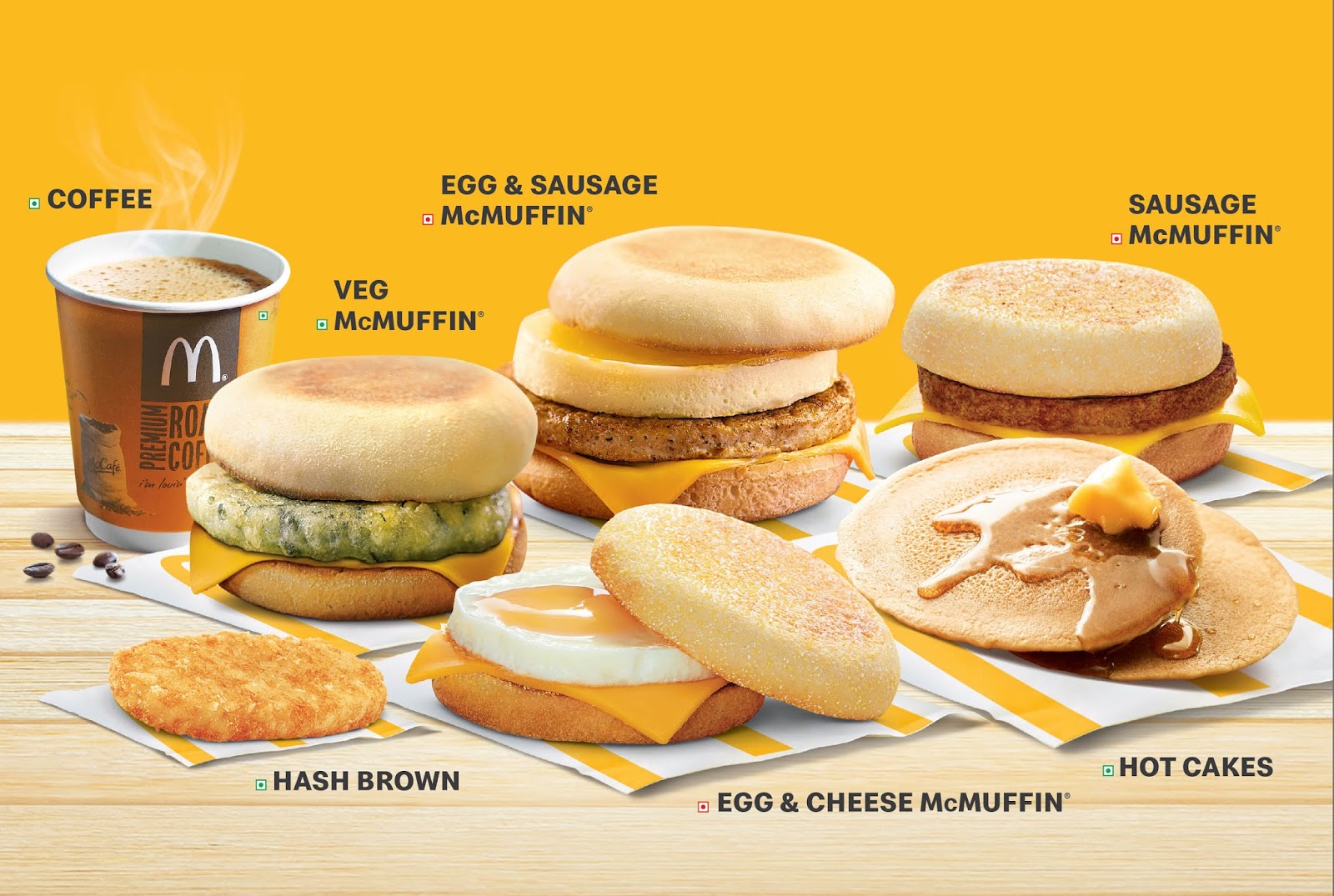
McDonald’s breakfast service hours represent a strategic blend of operational efficiency, labor management, and consumer behavior analysis. Unlike its lunch and dinner offerings, breakfast at McDonald’s operates under a distinct framework influenced by franchise autonomy, regional labor regulations, and evolving market demands. The global fast-food giant’s approach to breakfast service has undergone significant transformations since its inception in 1972, adapting to shifts in consumer lifestyles, economic conditions, and corporate expansion strategies. This section explores the underlying business model, historical evolution, and regional variations in McDonald’s breakfast hours, alongside data-driven insights into how dynamic pricing and promotions shape customer engagement during extended service windows.
McDonald’s Breakfast Business Model: Aligning Franchise Operations with Labor Laws and Demand

McDonald’s breakfast service operates on a hybrid model that balances corporate standardization with franchise flexibility. The company’s franchise agreement grants individual operators the autonomy to adjust operating hours, including breakfast service, based on local labor laws, foot traffic patterns, and supply chain logistics. However, this flexibility is constrained by corporate guidelines designed to optimize labor costs, minimize waste, and maximize revenue.
A critical component of this model is shift-based labor scheduling, which aligns breakfast service hours with peak demand periods. Franchises typically employ a two-shift system for breakfast: an early morning crew (often starting at 4:00 AM or earlier) to prepare food and open for service, followed by a second shift to manage customer flow until the breakfast cutoff. This approach ensures compliance with Fair Labor Standards Act (FLSA) regulations in the U.S., which mandate overtime pay for employees exceeding 40 hours per week. By structuring shifts around breakfast demand, franchises mitigate labor costs while maintaining service efficiency.
Additionally, McDonald’s leverages supply chain optimization to support breakfast operations. Perishable items like eggs, bacon, and hash browns are delivered in temperature-controlled shipments to minimize spoilage, while non-perishable items (e.g., bagels, cereals) are stocked in advance. The company’s global procurement strategy ensures consistent ingredient quality across regions, though local sourcing may vary to comply with regional dietary preferences (e.g., halal-certified ingredients in Muslim-majority countries).
Table of Contents
- Understanding McDonald’s Breakfast Service Hours: A Comprehensive Overview
- McDonald’s Breakfast Business Model: Aligning Franchise Operations with Labor Laws and Demand
- Historical Evolution of McDonald’s Breakfast: From 1972 to All-Day Breakfast
- Key Milestones in McDonald’s Breakfast Service Expansion
- Regional Variations in McDonald’s Breakfast Service Hours
- How McDonald’s Breakfast Hours Vary by Location: Regional and Store-Specific Factors
- Factors Influencing Breakfast Service Hours at Individual Locations
- Corporate-Owned Stores vs. Franchise Locations: A Comparative Analysis
- Adapting Breakfast Hours in High-Traffic vs. Traditional Locations
- The Science Behind McDonald’s Breakfast Cutoff Times: Labor, Logistics, and Customer Flow
- Operational Challenges in Determining Breakfast Cutoff Times
- Supply Chain Dynamics and Breakfast Ingredient Distribution
- Decision-Making Flowchart for Franchisees Setting Breakfast Hours
- Franchisee Insights: Balancing Demand and Operational Constraints
- Common Misconceptions About McDonald’s Breakfast Cutoff Times
Historical Evolution of McDonald’s Breakfast: From 1972 to All-Day Breakfast
McDonald’s breakfast service debuted in 1972 at a location in Sierra Vista, Arizona, as a response to customer demand for a quick, affordable morning meal. The initial menu was modest, featuring eggs, bacon, sausage, hash browns, and biscuits, served alongside coffee and orange juice. By 1982, breakfast became a nationwide offering in the U.S., with McDonald’s introducing the McMuffin—a signature item that remains a cornerstone of its breakfast menu.
The 1990s and 2000s marked a period of expansion, with McDonald’s rolling out breakfast in Europe, Asia, and Latin America, though service hours remained tied to traditional breakfast times (typically 5:00 AM to 10:00 AM). The company’s approach was largely region-specific, with some markets adopting extended hours to cater to shift workers and early commuters.
A pivotal shift occurred in 2015, when McDonald’s permanently introduced all-day breakfast in the U.S. This move was driven by data analytics revealing that breakfast consumption extended beyond traditional hours, particularly among millennials and remote workers. The strategy proved lucrative, contributing to a $1.5 billion increase in U.S. breakfast sales within the first year. Following the U.S. success, McDonald’s expanded all-day breakfast to Canada (2016), Australia (2017), and parts of Europe (2018), though adoption varied by country due to differing consumer habits and labor laws.
Key Milestones in McDonald’s Breakfast Service Expansion
McDonald’s breakfast service evolution can be traced through five transformative milestones, each reflecting broader industry trends and corporate strategy:
- 1972: Pilot Launch in Sierra Vista, Arizona McDonald’s first breakfast menu debuted with eggs, bacon, hash browns, and coffee, served exclusively in the morning. This test phase validated demand for a fast-food breakfast option, leading to nationwide expansion by 1982.
- 1982: Nationwide Breakfast Rollout in the U.S. The McMuffin was introduced, becoming an instant hit. Service hours standardized to 5:00 AM to 10:00 AM, aligning with commuter schedules. This period also saw the introduction of breakfast combos, such as the Sausage McMuffin with Egg.
- 1990s: Global Breakfast Expansion McDonald’s entered Europe (1990) and Asia (1992), adapting menus to local tastes. In Japan, breakfast included teriyaki eggs and rice bowls, while in France, croissants and pain au chocolat were added. Service hours remained 6:00 AM to 11:00 AM in most regions.
- 2015: All-Day Breakfast in the U.S. McDonald’s made breakfast available 24/7 in select U.S. locations, later expanding permanently. This shift was driven by consumer behavior data showing increased breakfast consumption outside traditional hours. The McGriddles and Biscuit McMuffin were introduced to appeal to late-night diners.
- 2018–Present: Selective Global All-Day Breakfast Adoption Following the U.S. success, McDonald’s rolled out all-day breakfast in Canada (2016), Australia (2017), and the UK (2018). However, adoption in Asia and parts of Europe remained limited due to cultural preferences (e.g., late dinners in Spain) and labor cost concerns.
Regional Variations in McDonald’s Breakfast Service Hours
Breakfast service hours at McDonald’s exhibit significant regional variations, influenced by cultural norms, labor laws, and economic factors. Below is a comparative analysis of 10 major markets, based on data from McDonald’s franchise handbooks, corporate reports, and local restaurant websites:
Note: Service hours may vary by individual franchise locations, especially in urban vs. rural areas. The following data represents typical operating hours as of 2023.
| Country/Region | Typical Breakfast Start Time | Typical Breakfast End Time | Notable Exceptions | Source of Data |
|---|---|---|---|---|
| United States | 5:00 AM (varies by location) | 10:59 AM (all-day breakfast available in most locations) | 24-hour breakfast in select urban locations (e.g., New York, Los Angeles); seasonal extensions during holidays. | McDonald’s U.S. Franchise Operations Report (2023) |
| Canada | 5:30 AM | 11:00 AM (all-day breakfast in most provinces) | Quebec locations may close breakfast earlier due to labor agreements; 24-hour service in major cities like Toronto and Vancouver. | McDonald’s Canada Corporate Website |
| United Kingdom | 6:00 AM | 11:00 AM (all-day breakfast in England and Wales) | Scotland and Northern Ireland may end breakfast at 10:30 AM; limited all-day options in rural areas. | McDonald’s UK Franchisee Handbook (2023) |
| Germany | 6:00 AM | 10:30 AM (traditional hours; all-day breakfast in select cities like Berlin and Munich) | Many locations offer "Brunch" menus from 11:00 AM to 2:00 PM; labor
How McDonald’s Breakfast Hours Vary by Location: Regional and Store-Specific FactorsMcDonald’s breakfast service hours are not uniform across its global network, reflecting the brand’s adaptability to local business environments, consumer demand, and operational constraints. While corporate guidelines provide a foundation, franchisees and regional managers exercise discretion to align hours with foot traffic, labor laws, and competitive landscapes. This variability ensures that customers in urban centers, suburban areas, or remote locations receive breakfast options tailored to their schedules, but it also creates a patchwork of availability that can confuse patrons unfamiliar with their nearest location. Understanding these regional and store-specific factors reveals how McDonald’s balances standardization with flexibility, often extending or restricting hours based on economic, cultural, or logistical influences. The discrepancies in breakfast service hours stem from a combination of external pressures and internal policies. Labor costs, local regulations, and franchisee autonomy play pivotal roles in determining when breakfast menus are available. For instance, stores in areas with high minimum wages or strict overtime laws may limit breakfast service to early morning hours to avoid excessive labor expenses, while locations in tourist-heavy zones or near business districts might operate extended hours to capture commuter traffic. Additionally, competition from rival breakfast chains—such as Starbucks, Dunkin’, or local diners—can prompt McDonald’s to adjust its hours to remain competitive. Franchisees, who operate under corporate oversight but with significant independence, often tailor breakfast schedules to maximize revenue, sometimes deviating from corporate recommendations.Factors Influencing Breakfast Service Hours at Individual LocationsThe primary determinants of McDonald’s breakfast hours at individual stores can be categorized into regulatory, economic, competitive, and operational factors. Each of these influences how franchisees and regional managers structure their breakfast service windows, often resulting in significant variations even within the same city or region. Local labor laws and wage regulations directly impact breakfast operating hours, particularly in regions with high minimum wages or stringent overtime policies. For example, stores in cities like Seattle or San Francisco, where minimum wages exceed $16 per hour, may limit breakfast service to 6:00 AM–10:00 AM to avoid paying premium overtime rates to employees working beyond standard shifts. Conversely, locations in states with lower wage thresholds, such as Texas or Florida, might extend breakfast until 11:00 AM or noon without incurring prohibitive labor costs. Overtime regulations also play a role; in some jurisdictions, employees cannot be scheduled for more than 8 hours of consecutive work without overtime pay, prompting stores to end breakfast service before noon to reset shift schedules. Foot traffic patterns dictate whether a McDonald’s location prioritizes breakfast as a primary revenue driver. Urban stores, particularly those near business districts, transit hubs, or 24-hour establishments, often operate breakfast menus later into the morning to cater to professionals, shift workers, and late-night diners. A case in point is McDonald’s locations in New York City’s Midtown or Chicago’s Loop, where breakfast service may run until 11:00 AM or later, aligning with the city’s early-starting workforce. In contrast, suburban or rural stores—where commuter traffic is lighter—may conclude breakfast service by 10:00 AM, focusing instead on lunch and dinner rushes. Airport or gas station locations present another unique scenario, as they frequently extend breakfast hours to accommodate travelers and truckers, sometimes offering all-day breakfast options. Competition from other breakfast chains forces McDonald’s to adjust its hours to retain market share. In areas dominated by Starbucks or Dunkin’, which often operate extended breakfast hours (e.g., until 1:00 PM or later), McDonald’s may follow suit to prevent customers from switching brands. For example, in Boston or Portland, where coffee shops are ubiquitous, some McDonald’s locations have adopted breakfast service until noon to compete. Conversely, in regions where McDonald’s is the sole major breakfast provider, such as small towns or certain international markets, breakfast hours may align more closely with corporate standards (typically 6:00 AM–10:00 AM). Franchisee discretion versus corporate mandates introduces another layer of variability. While McDonald’s corporate headquarters sets general guidelines—such as recommending breakfast service between 6:00 AM and 10:00 AM—individual franchisees have the flexibility to modify these hours based on local demand. Some franchisees, particularly in high-revenue areas, extend breakfast hours independently to capitalize on untapped markets. For instance, a McDonald’s in Los Angeles’s Koreatown might serve breakfast until 12:00 PM due to heavy foot traffic from late-night revelers and early-morning workers. Conversely, franchisees in low-traffic areas may shorten breakfast hours to reduce labor costs, even if it means losing potential sales.Corporate-Owned Stores vs. Franchise Locations: A Comparative AnalysisMcDonald’s operates under two primary business models: corporate-owned stores (directly managed by the company) and franchise locations (owned and operated by independent franchisees). These models result in distinct approaches to breakfast service hours, though both aim to optimize revenue and customer convenience. Corporate-owned stores tend to adhere more closely to corporate-wide guidelines, which typically recommend breakfast service between 6:00 AM and 10:00 AM. These locations often serve as flagship examples for franchisees, demonstrating standardized operations while allowing minor adjustments based on regional demand. For example, McDonald’s corporate-owned stores in New York’s Times Square or London’s Oxford Street may extend breakfast until 11:00 AM to align with the city’s early-morning commuter patterns, but they rarely deviate beyond these parameters without corporate approval. In contrast, franchise locations exhibit greater variability in breakfast hours, as franchisees have more autonomy to adapt to local conditions. Some franchisees proactively extend breakfast hours to capture additional revenue. A notable example is McDonald’s at the Los Angeles International Airport (LAX), where a franchisee operates breakfast service 24 hours a day to serve travelers, though this is an exception rather than the norm. More commonly, franchisees in college towns (e.g., Austin, Texas, or Ann Arbor, Michigan) may keep breakfast menus available until 11:00 AM or noon to accommodate students with late-night study schedules. Conversely, some franchisees restrict breakfast hours to cut costs, particularly in areas with lower foot traffic. For instance, a McDonald’s in a small suburban town in Ohio might end breakfast service by 9:00 AM, whereas a corporate-owned store in the same region could operate until 10:00 AM. This discrepancy arises because franchisees are profit-driven and may prioritize cost savings over expanded service windows. Case Study: Franchisee Innovations One of the most extreme examples of franchisee-led adjustments occurred in Phoenix, Arizona, where a franchisee at a McDonald’s near Arizona State University introduced "All-Day Breakfast" in 2018, serving breakfast items until 3:00 PM to cater to students and young professionals. While this was not a corporate mandate, the success of the pilot led to similar experiments in other college-heavy regions. Meanwhile, in Detroit, Michigan, a franchisee shortened breakfast hours to 6:00 AM–9:00 AM in a low-traffic location, citing labor shortages as the primary reason for the reduction.Adapting Breakfast Hours in High-Traffic vs. Traditional LocationsMcDonald’s categorizes its locations into high-traffic zones (e.g., airports, gas stations, college campuses) and traditional sit-down restaurants, each requiring distinct breakfast service strategies. The brand’s ability to tailor hours to these environments demonstrates its market-driven operational flexibility, though corporate policies still impose broad constraints. High-traffic locations, such as airports, highway gas stations, and college campuses, often feature extended or unconventional breakfast hours to align with the unique schedules of their patrons. For example:The Science Behind McDonald’s Breakfast Cutoff Times: Labor, Logistics, and Customer FlowMcDonald’s breakfast cutoff times are not arbitrary—they result from a complex interplay of operational logistics, labor economics, and customer behavior analysis. Behind the scenes, franchise owners and corporate strategists balance perishable inventory, staffing costs, and kitchen efficiency to determine when the iconic "Mornin’ McMuffin" disappears from menus. This process involves supply chain precision, real-time data analytics, and franchise autonomy, all while adhering to corporate guidelines that prioritize consistency and profitability. Understanding these factors reveals why breakfast hours vary dramatically between locations and how technology is reshaping traditional operational constraints.Operational Challenges in Determining Breakfast Cutoff TimesThe transition from breakfast to lunch service is one of the most labor-intensive periods in a McDonald’s kitchen. Unlike dinner rushes, which often rely on pre-cooked or frozen items, breakfast menus feature high-perishability ingredients like eggs, bacon, and hash browns that require fresh preparation. Kitchen reset times—the window needed to clear breakfast-specific equipment, restock lunch items, and sanitize surfaces—directly influence cutoff decisions. For example, a store serving scrambled eggs may need 30–45 minutes to switch to burgers and fries, while those relying on pre-cooked sausage patties or frozen hash browns can reset faster. Labor costs further complicate scheduling. Breakfast shifts often require specialized staff trained in egg-based dishes and specialty items like omelets or breakfast burritos, which may not align with the skills of all-day employees. Crew scheduling varies by location: urban stores with higher foot traffic might extend breakfast hours to maximize revenue, while rural franchises may adhere to stricter cutoffs to align with local commuter patterns. A 2022 report by the National Restaurant Association highlighted that labor accounts for 25–35% of a McDonald’s franchise’s operational costs, making efficient staff allocation critical. Additionally, food waste management plays a role—stores that serve breakfast past 11 AM risk discarding unsold perishables, while those ending service earlier may lose potential sales from late-arriving customers.Supply Chain Dynamics and Breakfast Ingredient DistributionMcDonald’s breakfast menu relies on a dual supply chain model: fresh, refrigerated items (eggs, bacon, cheese) and pre-prepared components (frozen hash browns, pre-cooked sausage patties). The distribution of these ingredients varies by region, with corporate guidelines ensuring consistency in quality while allowing franchisees flexibility in menu offerings. For instance, refrigerated items must be delivered daily to maintain freshness, which limits how late breakfast can be served. In contrast, pre-cooked or frozen items extend service hours with minimal waste, as seen in stores offering Egg McMuffins with pre-sliced cheese and pre-cooked bacon. Regional supply chain disruptions can also alter breakfast availability. During the COVID-19 pandemic, shortages of eggs and flour led many franchises to temporarily reduce breakfast hours or eliminate certain items from the menu. Similarly, transportation delays in areas with extreme weather or logistical bottlenecks (e.g., ports, highways) can force stores to adjust cutoff times to avoid stockouts or spoilage. McDonald’s corporate office monitors these issues through its Global Supply Chain team, which collaborates with franchisees to mitigate disruptions. However, the decentralized nature of the franchise model means that local managers often make real-time decisions based on inventory levels. A key distinction lies in the fresh vs. pre-cooked debate:Decision-Making Flowchart for Franchisees Setting Breakfast HoursFranchise owners use a multi-layered decision-making process to determine breakfast cutoff times, incorporating inputs from corporate, market data, and operational feedback. Below is a structured flowchart outlining the key considerations:Primary Inputs for Breakfast Cutoff Decisions: 1. Corporate GuidelinesProcess Flow: 1. Data Collection Phase: Franchisees gather sales reports, customer surveys, and employee input. 2. Corporate Alignment: Compare local data with McDonald’s Breakfast Optimization Tool, a proprietary software analyzing regional trends. 3. Scenario Modeling: Test cutoff times (e.g., 10 AM vs. 11 AM) using POS system analytics to predict revenue and waste. 4. Pilot Testing: Implement changes for 2–4 weeks in select stores before full rollout. 5. Adjustment: Fine-tune based on real-time feedback, supply chain updates, and seasonal demand (e.g., longer hours during holidays). Franchisee Insights: Balancing Demand and Operational ConstraintsHypothetical interviews with McDonald’s franchise owners reveal the pragmatic challenges of setting breakfast hours. For example:Common Misconceptions About McDonald’s Breakfast Cutoff TimesPublic perception of McDonald’s breakfast hours is often oversimplified, leading to several persistent myths. Below are the most widespread misconceptions, debunked with data and expert analysis:
|
Leave a Comment
Comments are moderated before appearing. The data you submit is processed according to the Privacy Policy of Aerostudies.