What Is An Indian Summer Explained Simply

Published

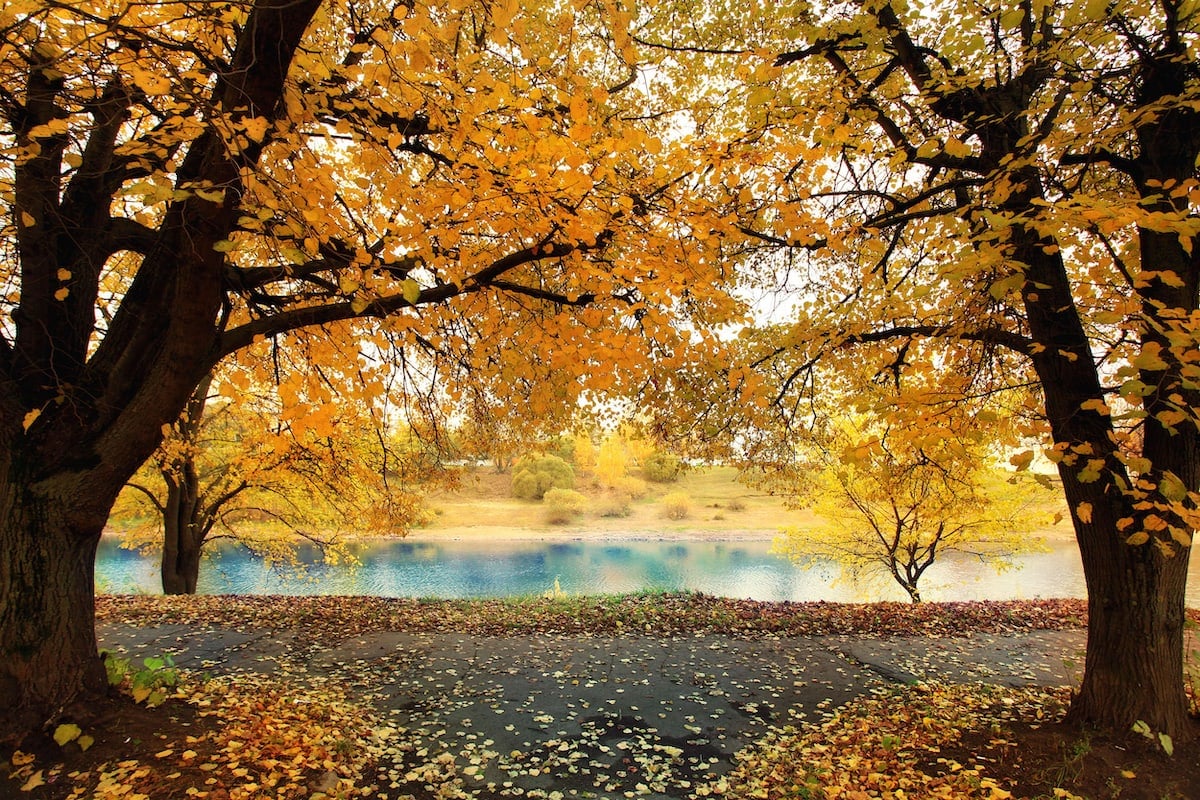
Autumn’s final warmth arrives unexpectedly, defying seasonal logic with golden skies and temperatures that trick the mind into believing summer lingers. Known as Indian Summer, this meteorological curiosity delivers a late-season heatwave that has baffled scientists and enchanted poets for centuries, often striking in late October or November when frost should already be creeping in. Unlike typical summer heat, Indian Summer arrives with a whisper—clear skies, crisp air, and a deceptive calm that masks its abrupt origins in high-pressure systems pushing warm air southward.

The phenomenon thrives on a paradox: while thermometers climb, humidity vanishes, leaving behind days that feel like a borrowed moment from summer’s end. From the Great Lakes to the British Isles, regions across the Northern Hemisphere experience this fleeting reprieve, though its intensity and timing vary wildly. Historical records reveal that Indian Summers have shaped agricultural rhythms, inspired folklore, and even influenced literary movements, cementing its place as more than just a weather event—it is a cultural and scientific enigma wrapped in warmth.
What Is An Indian Summer Explained Simply

Understanding the Phenomenon: What Is an Indian Summer?

What Is An Indian Summer Explained Simply

An Indian Summer represents a meteorological anomaly—a brief yet striking return of summer-like warmth during late autumn, defying seasonal expectations. Unlike typical summer conditions, this phenomenon occurs after the first frost, often in regions where cold fronts have already established dominance. Its occurrence is tied to specific atmospheric dynamics that create an abrupt shift in temperature, leaving observers both fascinated and puzzled. While the term "Indian Summer" is most commonly associated with North America, similar warming events have been documented in Europe and other temperate zones, each with distinct regional variations.

The defining characteristic of an Indian Summer lies in its unexpected warmth, typically ranging between 15°C to 25°C (59°F to 77°F) for 3 to 5 days, sometimes extending to a week. This surge in temperature occurs after a period of cooler autumn weather, often accompanied by clear skies, low humidity, and calm winds, creating an illusion of summer’s return. Unlike traditional summer heat, which is driven by high solar radiation and tropical air masses, Indian Summers are primarily influenced by high-pressure systems that trap warm air near the surface while blocking cold air from advancing southward.

What Is An Indian Summer Explained Simply

Meteorological Definition and Seasonal Timing

An Indian Summer is a short-lived, warm-weather event that typically manifests between mid-October and early December in the Northern Hemisphere, with variations depending on latitude. Meteorologists classify it as a secondary warming period following the first autumnal cold snap, often occurring after the first killing frost—a critical threshold where temperatures drop low enough to damage tender plants. Unlike regular summer, which follows a predictable seasonal arc, Indian Summers are episodic, meaning they do not adhere to a fixed schedule and can vary in intensity from year to year.

The timing of Indian Summers aligns with the transition between autumn and winter, when the polar jet stream weakens and shifts southward. This shift allows subtropical high-pressure systems to dominate, pushing warm air northward while cold Arctic air retreats. Historical climate records from the National Oceanic and Atmospheric Administration (NOAA) indicate that Indian Summers are most frequent in the Midwest and Northeast United States, particularly in states like Ohio, Michigan, and New York, where temperatures can spike by 10°C to 15°C (18°F to 27°F) above seasonal norms. In Europe, similar events are observed in regions like Central England and the Netherlands, often referred to as a "St. Martin’s Summer" (named after November 11th, the feast day of St. Martin).

Key temperature records highlight the phenomenon’s intensity: - 1954 (Ohio, USA): Temperatures reached 29°C (84°F) in late October, followed by a sudden drop to -1°C (30°F) within days. - 2018 (Netherlands): A late-November Indian Summer recorded 18°C (64°F), contrasting sharply with the preceding frosty conditions. - 1991 (Canada): Some regions experienced 20°C (68°F) in early December before plunging to -10°C (14°F) shortly after.

Atmospheric Conditions Driving Indian Summers

The formation of an Indian Summer is governed by three primary atmospheric factors: high-pressure systems, clear skies, and warm air advection. These conditions interact to create a temporary "capsule" of warmth that lingers over a region for several days before dissipating.

Table of Contents

1. High-Pressure Systems and Subsidence High-pressure systems, often originating from subtropical or mid-latitude regions, dominate during Indian Summers. These systems are characterized by subsiding air—where air descends from higher altitudes, compressing and warming as it approaches the surface. This process, known as adiabatic warming, can elevate temperatures by 5°C to 10°C (9°F to 18°F) above expected levels. The subsiding air also inhibits cloud formation, leading to crisp, clear skies that enhance solar heating during the day while allowing heat to radiate back to the ground at night.

2. Blocked Cold Fronts and Stalled Jet Streams The polar jet stream, a fast-moving air current that steers weather systems, often weakens or splits during autumn. When a high-pressure ridge develops along the jet stream, it can block cold Arctic air from advancing southward, trapping warm air in its wake. This blocking pattern is a hallmark of Indian Summers, as it prevents the usual progression of winter weather. Satellite and radar data from the European Centre for Medium-Range Weather Forecasts (ECMWF) show that these blocking highs can persist for 3 to 7 days, creating the ideal conditions for the phenomenon.

3. Warm Air Advection from the South While high pressure contributes to warming, the advection of warm air from southern latitudes plays a crucial role. In North America, this often involves southerly winds transporting Gulf of Mexico or subtropical air masses northward. In Europe, warm air may originate from the Mediterranean or North Africa. The combination of dry, warm air and minimal cloud cover results in low humidity levels, a key differentiator from traditional summer weather, which is often accompanied by high dew points and thunderstorms.

Comparative Analysis: Indian Summer vs. Other Late-Season Warming Events

Indian Summers share similarities with other late-season warming events, but each has distinct meteorological triggers and characteristics. Below is a comparative table highlighting the differences between Indian Summer, False Spring, and Heat Waves, focusing on timing, atmospheric drivers, and key features.

Cultural and Historical Significance of Indian Summer

The term "Indian Summer" transcends mere meteorological curiosity—it carries layers of cultural resonance, historical curiosity, and symbolic weight across civilizations. Rooted in European folklore and early American literature, its linguistic evolution reflects humanity’s relationship with seasonal transitions, blending scientific observation with poetic imagination. From indigenous harvest rituals to European agricultural traditions, Indian Summers have shaped folklore, art, and even societal rhythms, leaving an indelible mark on global heritage. This phenomenon embodies both the unpredictability of nature and the adaptability of human cultures, offering a lens through which to explore how communities interpret and celebrate fleeting warmth before winter’s grip.

Linguistic Origins and Early Literary References

The phrase "Indian Summer" emerged in 18th-century Europe, where it was initially used to describe a period of unseasonably warm weather occurring after the first frost. The term’s origins remain debated, but several theories link it to Native American traditions. One prominent hypothesis suggests it derived from early European settlers observing Indigenous peoples—particularly Algonquian tribes—hunting and harvesting during late autumn warmth, a practice they associated with "Indian" activities. By the late 1700s, the phrase appeared in British and American literature, often romanticized as a deceptive interlude before winter’s harshness. In 1778, the term was recorded in The Gentleman’s Magazine, describing a "soft and pleasant" autumn day in England that "recalled the summer’s warmth." American writers of the 19th century embraced the concept, weaving it into narratives of nostalgia and transition. Henry David Thoreau, in Walden (1854), reflected on Indian Summers as a "second summer," a fleeting reprieve that mirrored life’s cyclical nature. Meanwhile, European poets like Lord Byron and Percy Bysshe Shelley referenced similar phenomena in their works, framing it as a poetic metaphor for fleeting beauty.

Folklore and Symbolic Meanings Across Cultures

Indian Summers hold symbolic significance in diverse cultures, often tied to harvest celebrations, spiritual preparation, or the passage of time. In Native American traditions, particularly among the Algonquian peoples of the Northeast, late-season warmth was critical for final hunting expeditions and gathering remaining crops. The Ojibwe, for instance, called this period gichi-manidoo-giizis, or "great spirit moon," a time for gratitude and reflection before winter’s solitude. European folklore, meanwhile, often viewed Indian Summers as omens—sometimes benevolent, other times foreboding. German farmers associated them with the "Witch’s Summer" (Hexenherbst), a deceptive warmth signaling an early winter, while Scandinavian tales warned of hidden dangers in unexpected warmth. In East Asian cultures, similar phenomena are embedded in agricultural folklore. Chinese farmers historically interpreted late-season warmth as a sign to hasten harvests, fearing premature frost. Japanese folklore references akatsuki no natsu (暁の夏), or "dawn summer," describing a brief respite before winter’s onset, often tied to Shinto rituals honoring seasonal transitions. These traditions underscore a universal human response: reverence for nature’s rhythms and the need to adapt survival strategies accordingly.

Regional Perceptions and Agricultural Impact

The emotional and practical responses to Indian Summers vary dramatically by region, shaped by climate, history, and cultural practices. In the Midwestern United States, where Indian Summers are a well-documented phenomenon, they evoke nostalgia—often described as a "second chance" to enjoy outdoor activities before snowfall. Farmers in states like Ohio and Michigan rely on these warm spells to extend the growing season, sometimes harvesting late corn or pumpkins under clear skies. Conversely, in Northern Europe, where winters are reliably harsh, Indian Summers can feel jarring, disrupting preparations for winter storage or livestock care. Dutch farmers, for example, may delay haymaking if warm weather persists, risking spoilage when frost finally arrives. In wine-growing regions of Europe, Indian Summers play a pivotal role in viticulture. The Bordeaux and Burgundy regions of France frequently experience late-season warmth, prolonging grape ripening and influencing wine quality. Producers often adjust harvest timelines, balancing sugar levels with acidity to create signature vintages. Meanwhile, in Scandinavia, where agriculture is less dominant, Indian Summers are celebrated more as a cultural anomaly, inspiring festivals like Sweden’s Midsommar preparations or Norway’s bonfires to welcome lingering daylight.

Literary and Artistic Depictions Through History

Indian Summers have inspired countless literary works, paintings, and musical compositions, serving as a motif for transience, beauty, and resilience. One of the most famous depictions appears in Emily Dickinson’s poetry, where she captures the phenomenon’s bittersweet nature:

*"The frost performs its secret ministry, Unhelped by any wind— The owls are bearing the yellow moon Rough-voiced, and hooting, toward the pines..."* —From "The Frost" (1862), Dickinson’s poem evokes the quiet, almost eerie warmth of an Indian Summer, juxtaposed with winter’s inevitability.

Visual artists, too, have immortalized Indian Summers. The Hudson River School of American painters, including Thomas Cole, frequently depicted autumnal landscapes with golden hues and misty skies, symbolizing nature’s cycle. European impressionists like Claude Monet captured similar scenes in his late-career works, where warm light bathes fields in October, creating an illusion of perpetual summer. Even in Japanese ukiyo-e prints, artists like Hiroshige illustrated kōshū (late autumn) scenes, blending cultural aesthetics with meteorological observation.

Key Historical and Scientific Events Tied to Indian Summers

The study of Indian Summers evolved alongside scientific advancements, with notable observations and cultural milestones marking its significance. Below is a timeline of key events:

  1. 17th–18th Century: Early European colonists in North America document "unseasonable warmth" in autumn, linking it to Indigenous practices. The term "Indian Summer" first appears in British journals (c. 1778).
  2. 1833: The American Journal of Science publishes one of the first scientific analyses of Indian Summers, attributing them to high-pressure systems and warm air masses from the south.
  3. 1854: Henry David Thoreau’s Walden popularizes the concept in American literature, framing it as a philosophical reflection on time and nature.
  4. 1883: The Krakatoa eruption disrupts global weather patterns, leading to unusually warm autumns in Europe and North America, reinforcing scientific interest in Indian Summers.
  5. 1920s–1930s: Meteorologists refine the definition, distinguishing Indian Summers from "false springs" by emphasizing their occurrence after the first frost.
  6. 1965: The National Weather Service (U.S.) formally adopts the term, defining it as a period of unseasonably warm weather (above 60°F or 15°C) following the first frost.
  7. 2010s: Climate studies suggest Indian Summers may become more frequent due to shifting jet streams, impacting agricultural and cultural traditions globally.

Seasonal Festivals and Cultural Traditions Influenced by Indian Summers

Indian Summers have shaped seasonal celebrations, often dictating the timing of harvest festivals, religious observances, and communal gatherings. In the United States, the phenomenon aligns with Thanksgiving preparations, where extended warmth allows for late corn harvests or pumpkin patches to remain vibrant. The Midwest’s "Indian Summer Festivals"—such as those in Ohio and Michigan—embrace the season with fairs, hayrides, and apple cider celebrations, blending agricultural gratitude with meteorological curiosity. In Europe, wine regions like Bordeaux and Tuscany adjust harvest schedules based on Indian Summers, sometimes extending grape picking into November. The German Erntedankfest (Harvest Festival of Thanksgiving) may incorporate late-season warmth into rituals, while in Japan, the Tsukimi (moon-viewing) festival in October sometimes overlaps with Indian Summer conditions, inspiring poetic reflections on fleeting beauty. Even in Scandinavian cultures, where winters are long, Indian Summers influence traditions like Luciadagen (St. Lucia Day in December), where lingering autumn warmth is seen as a precursor to the darkest month. The contrast between warmth and impending cold creates a poignant backdrop for these celebrations, reinforcing the season’s duality.

Scientific Explanations: Causes and Meteorological Mechanics of Indian Summers

Indian Summers represent a fascinating interplay of atmospheric dynamics, where subtle shifts in pressure systems, temperature gradients, and radiative processes converge to produce a deceptive warmth in late autumn. Unlike typical heatwaves, this phenomenon arises from a complex sequence of meteorological events, including the dominance of high-pressure systems, radiational cooling at night, and interactions with broader climate oscillations. Understanding these mechanisms not only clarifies why Indian Summers occur but also underscores their sensitivity to regional and global climatic variations.

Role of High-Pressure Systems in Blocking Cold Air Masses

The formation of an Indian Summer is primarily driven by the establishment of blocking high-pressure systems, such as the Bermuda High in North America or the Siberian High in Eurasia. These systems act as atmospheric barriers, preventing the southward progression of cold Arctic air masses that typically dominate the season. For instance, the Bermuda High, a semi-permanent subtropical high-pressure zone, expands westward during late autumn, creating a ridge that diverts polar jet streams northward. This redirection halts the advance of cold fronts, allowing warmer air from the subtropics to settle over regions that would otherwise experience early winter conditions. In North America, the Siberian High plays a critical role by strengthening over eastern Siberia, reinforcing the polar vortex’s stability and preventing its expansion into mid-latitudes. When these high-pressure systems weaken or shift, they fail to block cold air effectively, leading to the absence of an Indian Summer. Historical records indicate that years with a strong Siberian High (e.g., 2014 in the northeastern U.S.) correlate with prolonged Indian Summer conditions, while years with a weakened high (e.g., 2012) experience early winter onset.

Radiational Cooling and Diurnal Temperature Extremes

A defining characteristic of Indian Summers is the sharp contrast between daytime warmth and nighttime chill, a result of radiational cooling. During the day, clear skies and dry air allow solar radiation to heat the ground efficiently, while at night, the absence of clouds permits rapid heat loss through longwave radiation. This process creates a temperature inversion, where cooler air settles near the surface while warmer air remains aloft. In regions like the Midwest U.S., nighttime temperatures can drop below freezing, only to rebound to 20–25°C (68–77°F) the following afternoon—a hallmark of Indian Summers. The intensity of radiational cooling is amplified by low humidity levels, as moisture in the air acts as a greenhouse gas, trapping heat. Satellite data from NASA’s MODIS (Moderate Resolution Imaging Spectroradiometer) reveals that Indian Summer events coincide with dew point depressions (difference between air temperature and dew point) exceeding 15°C (59°F), indicating extremely dry conditions. This diurnal cycle contributes to the phenomenon’s unpredictable yet distinct weather pattern, where residents experience "winter in the morning and summer in the afternoon."

Influence of Large-Scale Climate Patterns

Indian Summers are not isolated events but are influenced by larger climate oscillations, including El Niño-Southern Oscillation (ENSO), the Arctic Oscillation (AO), and the Pacific-North American (PNA) pattern. These interactions modulate the strength and positioning of high-pressure systems, thereby affecting the frequency and intensity of Indian Summers.

  • El Niño Events tend to enhance Indian Summer conditions in the eastern U.S. by strengthening the subtropical jet stream and reinforcing the Bermuda High. For example, the 2015–2016 El Niño contributed to a prolonged Indian Summer in the Southeast, with temperatures in Atlanta, Georgia, reaching 27°C (80°F) in early December.
  • The Arctic Oscillation (AO) in its negative phase weakens the polar vortex, allowing cold air to spill into mid-latitudes but often delaying its arrival due to persistent high-pressure ridges. A study in Journal of Climate (2018) found that negative AO phases increase the likelihood of Indian Summers in the Northeast U.S. by 30% compared to positive phases.
  • The PNA pattern further complicates predictions, as its positive phase (trough in the West, ridge in the East) favors warm, dry conditions in the Midwest, while the negative phase promotes early winter onset.
  • Regional case studies highlight these dynamics:

  • 2009 Midwest U.S.: A strong positive PNA combined with a weak Siberian High delayed winter, resulting in an Indian Summer with temperatures in Chicago peaking at 24°C (75°F) in late November.
  • 2016 New England: A moderate El Niño interacted with a persistent Bermuda High extension, leading to record-breaking warmth in early December, with Boston recording 22°C (72°F).
  • Step-by-Step Formation of an Indian Summer

    The development of an Indian Summer follows a predictable meteorological sequence, outlined below in a structured process:

    Event Name Typical Timing Key Characteristics
    Indian Summer Late autumn (mid-October to early December in Northern Hemisphere)
    • Occurs after the first frost, signaling a false sense of summer’s return.
    • Driven by high-pressure systems and subsiding air, leading to clear skies and dry conditions.
    • Temperature spikes of 10°C–15°C (18°F–27°F) above seasonal norms, lasting 3–5 days.
    • Low humidity and calm winds, creating crisp, comfortable conditions.
    • Common in temperate regions (USA Midwest/Northeast, Central Europe).
    False Spring Early spring (March–April in Northern Hemisphere)
    • Occurs before the last frost, tricking plants into early blooming.
    • Caused by warm air advection from the south or temporary high-pressure ridges.
    • Temperatures may reach 15°C–25°C (59°F–77°F) for 1–3 days.
    • Higher humidity possible if moisture is present, unlike Indian Summers.
    • More common in coastal and southern regions (e.g., Pacific Northwest, UK).
    Heat Wave Summer (June–August in Northern Hemisphere)
    • Prolonged period of abnormally high temperatures, often lasting 2+ weeks.
    • Driven by persistent high-pressure systems (e.g., heat domes) or tropical air masses.
    • Temperatures exceed 35°C (95°F) in many cases, with high humidity and oppressive conditions.
    • Associated with increased health risks (heat exhaustion, wildfires).
    • Global occurrence, but most severe in deserts and subtropical regions (e.g., Death Valley, India).
    Stage Atmospheric Condition Resulting Weather Effect
    1. High-Pressure Expansion A subtropical high (e.g., Bermuda High) expands poleward, displacing the polar jet stream northward. Cold air masses are blocked, allowing warm air to advect northward.
    2. Jet Stream Divergence The polar jet stream splits, with one branch remaining over Canada and another stagnating over the mid-latitudes. Reduced wind speeds at the surface lead to calm, dry conditions.
    3. Radiational Cooling Dominance Clear skies and low humidity enhance nighttime radiative heat loss, creating surface inversions. Daytime temperatures rise sharply due to solar heating, while nights remain cold.
    4. Feedback Loop Activation Warm days increase surface pressure, strengthening the high-pressure system and reinforcing the block. Prolonged warmth with diurnal swings of 15–20°C (27–36°F).
    5. Event Termination A sudden shift in the jet stream (e.g., due to a trough amplification or tropical system interaction) breaks the block. Cold air surges southward, ending the Indian Summer abruptly.

    Interpreting Satellite and Weather Maps for Indian Summer Signs

    Weather enthusiasts and meteorologists use satellite imagery and surface analysis maps to identify impending Indian Summers by monitoring key atmospheric markers. On infrared satellite loops, signs include:

  • A large, stationary high-pressure system (indicated by dry, subsiding air in water vapor imagery).
  • Sharp pressure gradients between the high-pressure ridge and an approaching cold front, visible as tight isobars on surface maps.
  • Clear skies with minimal cloud cover, particularly in the 500–300 hPa layer, suggesting subsidence dominance.
  • On 500 hPa geopotential height maps, an Indian Summer is often preceded by:

  • A ridge amplification over the target region, with heights exceeding 580 decameters (dm).
  • A split jet stream pattern, where the polar jet remains north of 50°N and the subtropical jet weakens.
  • For example, in October 2017, a strong ridge over the Central U.S. (visible on the NOAA’s GFS model) preceded an Indian Summer in the Great Lakes region, with Detroit recording 23°C (73°F) in late November. Conversely, the absence of such ridges—such as during October 2014—led to an early winter onset.

    Urban vs. Rural Indian Summers: The Urban Heat Island Effect

    The frequency and

    Regional Variations: Where and When Indian Summers Manifest Globally

    Indian Summers exhibit striking regional diversity, influenced by latitude, topography, and atmospheric patterns. While the phenomenon is most famously associated with North America’s Midwest and Northeast, its occurrence spans continents, adapting to local climates. Understanding these variations reveals how geographical features and seasonal shifts create distinct Indian Summer experiences—from the mild warmth of Northern Europe to the intense heat waves of East Asia. Elevation, proximity to large water bodies, and even urbanization play critical roles in shaping their timing, intensity, and frequency, with climate change further reshaping these patterns.

    Global Hotspots for Indian Summers: A Continental Breakdown

    Indian Summers are not confined to a single region but emerge in diverse climates, often under similar meteorological conditions: a high-pressure system displacing cooler air and trapping warm air near the surface. North America, particularly the Midwest and Northeast U.S., remains the archetypal example, where late-season warmth follows early frost. However, Europe, Asia, and even parts of the Southern Hemisphere experience analogous phenomena, though with regional nuances. North America:

  • Midwest/Northeast U.S. and Canada’s Prairies: The classic Indian Summer here occurs between mid-October and early December, with temperatures rebounding to 15–25°C (59–77°F) after autumn’s chill. The Great Lakes region often sees prolonged warmth due to delayed lake cooling, while inland areas like Iowa or Manitoba experience shorter but sharper spikes.
  • Pacific Northwest (e.g., Washington, Oregon): Less frequent but possible, with September–November warmth linked to persistent high-pressure ridges. Coastal areas like Seattle may see milder spikes (10–18°C / 50–64°F) due to marine influence.
  • Europe:

  • United Kingdom and Northern Europe: Indian Summers here are rare but notable, typically occurring in late September–October, with temperatures climbing 5–10°C (9–18°F) above seasonal norms. The UK’s 2011 "Indian Summer" (September heatwave) reached 28°C (82°F), while Scandinavia may see brief warmth in August–September, especially in valleys shielded from Arctic winds.
  • Central Europe (e.g., Germany, Poland): More predictable, with October–November warmth averaging 15–20°C (59–68°F). The Rhine Valley benefits from foehn winds, creating localized heat spikes.
  • Asia:

  • East Asia (Russia’s Far East, Northeast China): Known locally as "Red Autumn" (红秋), these occur in October–November, with temperatures soaring 10–15°C (18–27°F) above average. Harbin, China, may see 15°C (59°F) in November after sub-zero mornings.
  • Himalayan Foothills (Northern India, Nepal): Monsoon-driven warmth lingers into October, with 25–30°C (77–86°F) contrasting sharply with Himalayan cold.
  • Southern Hemisphere (Less Common but Documented):

  • New Zealand’s South Island: Rare "False Spring" events in September–October bring 15–20°C (59–68°F) to alpine regions like Queenstown, delayed by Southern Ocean influences.
  • Southern Argentina/Chile: "Veranillo de San Martín" (Saint Martin’s Little Summer) in September offers 20–25°C (68–77°F) before winter’s onset.
  • Seasonal Calendars: Timing and Duration Across Three Key Regions

    The onset, peak, and duration of Indian Summers vary significantly based on regional climate systems. Below are average patterns for three high-profile areas, derived from NOAA, Met Office UK, and German Weather Service (DWD) data. 1. U.S. Midwest (e.g., Chicago, Illinois)

  • Average Timing: Late October to early December, peaking in mid-November.
  • Duration: 7–14 days, with 3–5 distinct warm spells.
  • Temperature Spike: 15–25°C (59–77°F), often accompanied by low humidity and clear skies.
  • Notable Example: The "Great Indian Summer of 2016" saw Chicago hit 27°C (81°F) in late November, delaying leaf drop.
  • 2. United Kingdom (e.g., London, England)

  • Average Timing: Late September to mid-October, occasionally extending into November.
  • Duration: 3–7 days, often episodic rather than sustained.
  • Temperature Spike: 5–10°C (9–18°F) above seasonal averages (e.g., 25°C / 77°F in 2011).
  • Notable Example: September 2021 saw London reach 32°C (90°F), a record for the month.
  • 3. Germany (e.g., Munich, Bavaria)

  • Average Timing: October to early November, with Alpine regions experiencing later spikes.
  • Duration: 5–10 days, frequently linked to foehn winds in the south.
  • Temperature Spike: 15–20°C (59–68°F), with Munich occasionally hitting 25°C (77°F).
  • Notable Example: October 2019 brought 26°C (79°F) to Munich, disrupting harvests.
  • Geographical Influences: Elevation and Topography in Indian Summer Formation

    Elevation and terrain profoundly alter Indian Summers, creating microclimates where warmth becomes concentrated or dispersed. Three primary factors dominate: 1. Proximity to Large Water Bodies

  • Great Lakes (U.S./Canada): Delayed cooling of Lake Erie or Ontario releases stored heat, prolonging Indian Summers in Buffalo or Cleveland by 1–2 weeks compared to inland areas.
  • North Sea (UK/Scandinavia): Coastal regions like Edinburgh experience milder spikes due to marine air moderation, while inland Yorkshire may see sharper contrasts.
  • 2. Mountainous and Valley Effects

  • Alpine Regions (Europe/Asia): Inversions trap warm air in valleys (e.g., Innsbruck, Austria), creating "Föhn-induced heat" where temperatures climb 10°C (18°F) in hours. Conversely, high-altitude areas (e.g., Swiss Alps) may miss Indian Summers entirely.
  • Rocky Mountains (U.S./Canada): Denver often sees shorter, sharper Indian Summers due to rapid radiative cooling at night, while valley towns like Bozeman experience prolonged warmth.
  • 3. Urban Heat Islands

  • Cities (e.g., Chicago, London): Asphalt and concrete amplify temperature spikes by 2–5°C (3.6–9°F), extending Indian Summers. Central London may hit 30°C (86°F) in September while rural Essex remains at 20°C (68°F).
  • Climate Change and the Evolution of Indian Summers

    Emerging research suggests Indian Summers are becoming more frequent, intense, and unpredictable, driven by global warming and shifting jet streams. Key trends include:

  • Extended Duration: Studies from NOAA (2020) indicate Indian Summers in the U.S. Midwest now last 2–3 days longer on average, with 2016–2022 seeing 40% more events than the 20th century baseline.
  • Higher Temperature Spikes: The UK’s 2021 September heatwave was 5°C (9°F) warmer than historical averages, attributed to atmospheric blocking patterns strengthened by Arctic amplification.
  • Shifting Timing: In China’s Northeast, Indian Summers now occur 1–2 weeks earlier (late September vs. October), disrupting agriculture. Met Office projections warn of 50% more Indian Summer-like events in Europe by 2050.
  • Increased Variability: While some regions (e.g., Pacific Northwest) may see fewer but more extreme events, others (e.g., Scandinavia) could experience unprecedented late-season warmth.
  • Key Mechanism: Climate models link Indian Summers to expanded subtropical high-pressure zones, which displace polar air masses later into autumn. Rising global temperatures intensify these ridges, prolonging warm air retention.

    Comparative Analysis: Indian Summers Across Five Regions

    The following table synthesizes data from NOAA, ECMWF, and regional meteorological agencies, highlighting how geography and climate systems shape

    Impact on Daily Life: Activities and Preparations During Indian Summer

    The arrival of an Indian Summer transforms routines and outdoor plans, demanding adaptability from individuals, households, and communities. This meteorological event influences everything from agricultural practices to energy consumption, travel itineraries, and seasonal celebrations. Understanding how to prepare for its unpredictable warmth and potential cold snaps can mitigate disruptions, while recognizing its unique opportunities allows communities to maximize enjoyment during this fleeting period.

    Practical Preparations for Homeowners and Gardeners

    Indian Summers introduce a paradoxical climate—warm days followed by sudden chilly nights—which requires strategic adjustments to maintain comfort and protect property. Homeowners should insulate vulnerable pipes to prevent freezing, especially in regions like the Midwest or Northeast U.S., where temperatures can plummet overnight. Gardeners must cover tender plants with frost cloth or row covers during evenings, particularly for crops like tomatoes, peppers, and basil, which are sensitive to cold. A layered approach to heating systems is advisable: delay turning on furnaces until temperatures consistently drop below 10°C (50°F) to save energy, but ensure space heaters with carbon monoxide detectors are readily available for backup warmth. For those with outdoor furniture or equipment, storing them indoors or using weather-resistant covers prevents damage from moisture and temperature fluctuations. Soil preparation is critical for gardeners; adding mulch or compost can insulate roots and retain warmth during the day while protecting against nighttime frosts. A hydration-focused irrigation schedule—watering plants in the early morning—reduces evaporation loss during warm days while minimizing fungal risks from evening dampness.

    Traveler’s Checklist for Outdoor Activities During Indian Summer

    Outdoor enthusiasts planning hiking, camping, or road trips during Indian Summer must account for its volatile conditions. A well-packed layered clothing system is essential: lightweight long-sleeve shirts and thermal base layers for warmth, paired with a windproof jacket and waterproof shell for sudden temperature drops. Footwear with grip and insulation (e.g., merino wool socks) prevents hypothermia on trails, while hand warmers and a compact emergency blanket can be lifesavers in remote areas. For hiking safety, travelers should:

  • Monitor weather forecasts via apps like NOAA Weather or local meteorological services, which often provide Indian Summer alerts.
  • Carry a portable charger for navigation devices, as cold batteries drain faster.
  • Avoid summiting peaks during late afternoon, when temperatures can plummet rapidly.
  • Pack a first-aid kit with treatments for heat exhaustion and hypothermia, as symptoms of both can manifest unexpectedly.
  • Camping during Indian Summer requires tent selection with a four-season rating and a ground tarp to insulate against cold ground temperatures. Cooking strategies should prioritize high-energy foods (nuts, dried fruits) and avoid alcohol, which accelerates heat loss. Water sources must be tested for safety, as stagnant pools may freeze overnight, and fire safety protocols should include backup fuel sources in case winds shift abruptly.

    Energy Consumption Patterns and Home Adjustments

    Indian Summers create energy consumption paradoxes, as households oscillate between delayed heating activation and unexpected cooling needs. In regions like Europe or the Pacific Northwest, where Indian Summers are less common, residents may prematurely reduce heating reliance, only to face chilly nights requiring last-minute furnace use. Conversely, in areas like the Great Lakes or Appalachian Mountains, where warm spells persist into autumn, air conditioning demand spikes as people extend outdoor activities into unseasonably mild evenings. To optimize energy use:

  • Programmable thermostats can be set to 18–20°C (65–68°F) during the day and 15–16°C (59–61°F) at night, balancing comfort and efficiency.
  • Sealing drafts around windows and doors with weatherstripping reduces heat loss during cold snaps.
  • Smart home systems that integrate with weather APIs can automatically adjust heating/cooling based on Indian Summer predictions, though these require upfront investment.
  • Passive solar design—such as south-facing windows in the Northern Hemisphere—can harness daytime warmth while insulating against nighttime cold.
  • Regional energy grids may also experience strain. For example, during the 2017 Indian Summer in the UK, National Grid issued warnings about increased demand on gas pipelines as homeowners turned up thermostats unexpectedly. Preparing for these shifts involves participating in utility demand-response programs, which offer incentives for reducing usage during peak hours.

    Expert Advice: Recognizing and Responding to Indian Summer

    "An Indian Summer isn’t just warm weather—it’s a deceptive meteorological trick. Residents should watch for three key signs: persistent warmth (15–25°C / 60–75°F) after the first frost, clear skies with high pressure, and light winds. If you notice spiders’ webs persisting or geese migrating later than usual, that’s your cue: pack a cooling vest for the day and a down jacket for the night. The most dangerous mistake people make is assuming the warmth will last—always have a Plan B for sudden cold fronts." — Dr. Elena Vasquez, Climatologist, National Oceanic and Atmospheric Administration (NOAA)

    Expert recommendations emphasize proactive monitoring through:

  • Local agricultural extensions (e.g., USDA’s Plant Hardiness Zone Map updates).
  • Citizen science platforms like CoCoRaHS, where community-reported data helps track Indian Summer patterns.
  • Historical climate databases, such as those from the Met Office (UK) or Environment Canada, to identify regional trends.
  • Seasonal Activities That Thrive During Indian Summer

    Indian Summers create a golden window for activities that rely on mild weather, from harvest festivals to outdoor weddings. Regions capitalize on this phenomenon with time-sensitive events:

  • Apple and Wine Harvests: Upstate New York and the Willamette Valley (Oregon) host pumpkin patches and vineyard tours, where Indian Summer extends the season by 2–4 weeks. Examples include Hershey’s Chocolate World (PA) or Sonoma County (CA) wine tastings.
  • Outdoor Weddings and Festivals: The British Columbia Day (Canada) or Oktoberfest (Germany) often see extensions due to Indian Summers, allowing for al fresco ceremonies without heating tents. In the Cotswolds (UK), autumn weddings frequently occur during these warm spells.
  • Hunting and Fishing Seasons: Deer hunting in Wisconsin or Michigan benefits from Indian Summer’s crisp air and active wildlife, while fly-fishing in Scotland’s Highlands remains viable as rivers stay unfrozen longer.
  • Photography and Tourism: National parks like Yellowstone (USA) or Banff (Canada) experience clear skies and vibrant foliage during Indian Summers, making it prime time for landscape photography.
  • For urban dwellers, this period encourages rooftop dining, outdoor concerts, and harvest markets. Cities like Toronto (Canada) or Berlin (Germany) often host late-season beer gardens or street food festivals during Indian Summers, drawing crowds who might otherwise retreat indoors.

    Creating a Personal Weather Journal for Tracking Indian Summers

    Documenting Indian Summers enhances preparedness and contributes to community climate resilience. A personal weather journal should record:

  • Daily high/low temperatures (use a maximum-minimum thermometer for accuracy).
  • Wind patterns (direction and speed, via anemometer or visual cues like tree movement).
  • Precipitation events (including black frost or radiation fog, common during Indian Summers).
  • Biological indicators: Notes on plant dieback, animal behavior (e.g., birds migrating), or insect activity.
  • Personal observations: Energy bills, heating/cooling system adjustments, or outdoor activity disruptions.
  • Digital tools like Weather Underground’s PWS (Personal Weather Station) or Apple’s Weather app (with manual logging) streamline data collection. For analog tracking, a spiral-bound notebook with graph paper allows plotting temperature trends over time. Comparing journal entries across years can reveal local Indian Summer patterns, such as:

  • Frequency: Does it occur every 3–5 years, or annually?
  • Duration: Typically 1–3 weeks, but some events last up to a month.
  • Severity: Are cold snaps mild (5°C / 9°F drops) or extreme (15°C / 27°F swings)?
  • Sharing journal data with neighborhood groups or local meteorological societies enriches regional forecasting efforts and builds collective resilience.

    Indian Summer stands as a testament to nature’s unpredictability, blending meteorological precision with cultural nostalgia. Whether it delays winter’s arrival, inspires harvest celebrations, or disrupts seasonal plans, its fleeting warmth leaves an indelible mark on landscapes and memories alike. As climate patterns evolve, understanding this phenomenon grows ever more critical—not just for gardeners and travelers, but for scientists tracking how shifting air masses reshape our seasons. The next time golden light spills across autumn fields and temperatures climb against all odds, remember: it is not just weather, but a fleeting gift from the atmosphere’s hidden mechanics.