What Singer Died Today and Why It Shakes Music History
The announcement of a singer’s death often sends shockwaves through global music communities, transforming grief into collective tributes that echo across decades. From the golden age of jazz to the digital era of streaming, legendary artists have not only shaped sound but also left indelible marks on how society mourns and remembers. When icons like Elvis Presley, Prince, or Amy Winehouse pass, their deaths become cultural milestones—sparking debates on legacy, media ethics, and the emotional power of music.
Beyond headlines, these losses expose deeper truths: the fragility of fame, the financial battles over estates, and the psychological weight fans carry when revisiting an artist’s final works. Streaming platforms now curate instant memorial playlists, while social media turns hashtags like #RIP into virtual shrines. Yet, behind the algorithms and fan art lies a complex web of legal disputes, unpaid royalties, and the struggle to honor an artist’s vision after death. This exploration dissects how singer deaths ripple through time—from the last century’s heartbreaks to today’s digital memorials.
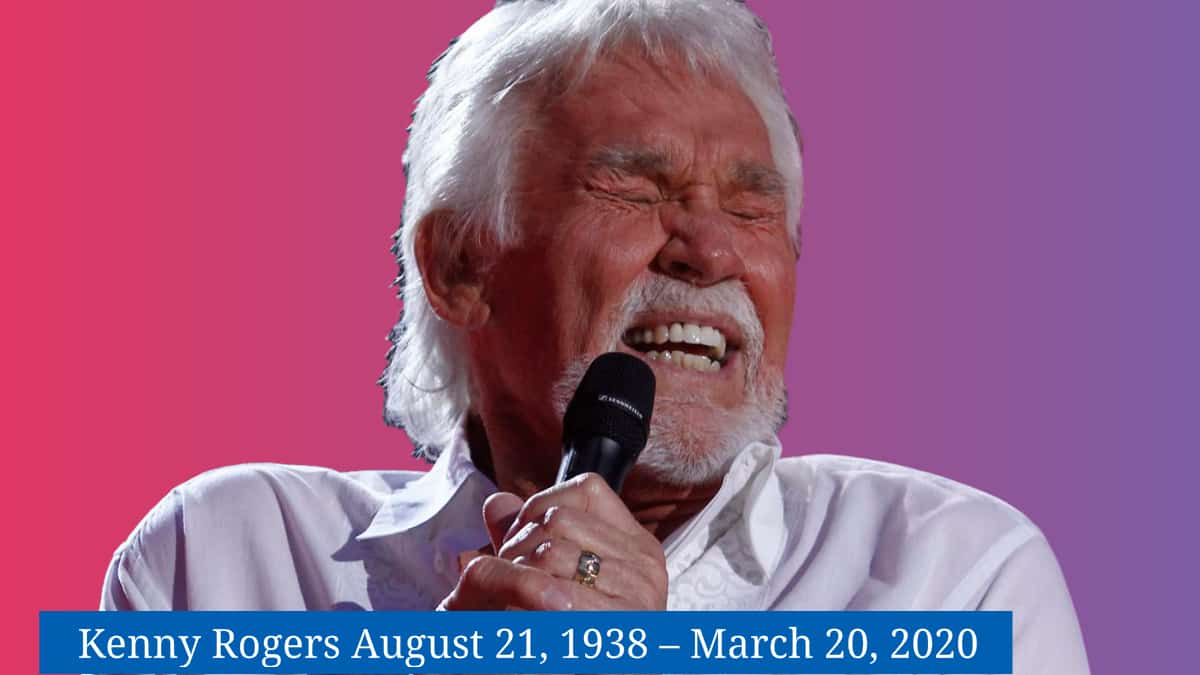
The Evolution of Music Through Iconic Singer Deaths: A Century of Loss and Legacy
The deaths of legendary singers often serve as pivotal moments in music history, reshaping genres, inspiring generations, and leaving indelible marks on cultural consciousness. From the jazz age to the digital era, each decade witnessed the passing of artists whose voices transcended time, influencing not only the trajectory of music but also societal attitudes toward fame, mortality, and artistic expression. This exploration traces the most transformative singer deaths from 1920 to 2023, dissecting their impact on music, the recurring themes of their final chapters, and the enduring legacies they bequeathed to subsequent artists.
The early 20th century laid the foundation for modern music, with singers becoming cultural icons whose deaths echoed through the decades. The mid-century saw the rise of rock 'n' roll and soul, while the late 20th and early 21st centuries witnessed the globalization of music and the digital revolution. Each era’s musical landscape was irrevocably altered by the loss of these figures, often sparking tributes, cover songs, and even genre-defining movements in their wake. Below, a chronological and thematic analysis reveals how these deaths became more than obituaries—they became milestones in the annals of music history.

Decade-by-Decade Timeline: The Singers Who Shaped Music History
The deaths of influential singers across the past century reflect the evolution of music itself, from the intimate performances of vaudeville to the stadium-filling spectacles of the modern era. Below is a decade-wise breakdown of the most impactful singer deaths, organized by their cultural and musical contexts. The table compares their contributions, legacies, and the societal implications of their passing, while the accompanying analysis highlights recurring patterns in their final years.
The 1920s marked the dawn of recorded music, with artists like Bessie Smith, the "Empress of the Blues," whose death in 1937 at age 43 symbolized the end of an era for African American music. Her passing coincided with the Great Depression, a period that saw music as both an escape and a reflection of societal struggles. The 1950s and 1960s brought the deaths of Billie Holiday (1959) and Bobby Darin (1973), whose lives and deaths were intertwined with the raw emotions of jazz and rock 'n' roll, respectively. The 1970s and 1980s witnessed the tragic losses of Janis Joplin (1970) and Freddie Mercury (1991), whose deaths became synonymous with the darker side of fame—substance abuse and illness—while also cementing their status as eternal rebels and showmen.
Table of Contents
- The Evolution of Music Through Iconic Singer Deaths: A Century of Loss and Legacy
- Decade-by-Decade Timeline: The Singers Who Shaped Music History
- Comparative Analysis: Singers by Decade and Their Cultural Impact
- Influence on Subsequent Generations: Tributes and Musical Legacy
- How News of a Singer’s Death Spreads: Media and Public Reaction
- Evolution of News Dissemination: Traditional vs. Digital Media
- Viral Tributes and Digital Memorialization
- Immediate vs. Long-Term Public Reaction
- Ethical Considerations in Reporting Singer Deaths
- Fan Communities and Spontaneous Digital Memorials
- The Psychological and Emotional Impact of Losing Beloved Singers
- Grief Through Music: The Psychological Mechanism of Fan Attachment
- Case Studies: Fan Emotional Distress Following Iconic Singer Deaths
- Generational Emotional Responses to Singer Deaths: A Comparative Analysis
- Music Therapy in Coping with the Loss of a Singer
- Legal and Financial Aspects: What Happens After a Singer Dies?
- Legal Processes Involving Probate, Wills, and Trust Management
- Management of Royalties, Copyrights, and Intellectual Property Post-Mortem
- Comparison of Famous Singer Estates: Assets, Beneficiaries, and Controversies
- Financial Impact on Industry Connections and Unfulfilled Obligations
- Key Figures in Settling an Estate and Their Roles
- Posthumous Releases: Greenlighting, Marketing, and Contested Projects
The late 20th century saw the passing of Prince (2016) and David Bowie (2016), two artists who redefined genre boundaries and left behind a catalog of work that continued to inspire long after their deaths. The 21st century has already mourned Amy Winehouse (2011) and George Michael (2016), whose legacies underscore the duality of genius and personal demons, as well as the global reach of music in an interconnected world.
Comparative Analysis: Singers by Decade and Their Cultural Impact
The following table provides a structured overview of the most influential singer deaths from 1920 to 2023, categorized by decade. Each entry includes the singer’s name, genre, year of death, notable works, and their enduring legacy, offering a visual and analytical comparison of their contributions to music history.
| Name | Genre | Year of Death | Notable Works | Legacy |
|---|---|---|---|---|
| Bessie Smith | Blues | 1937 | "Downhearted Blues," "Nobody Knows You When You're Down and Out" | Pioneered female blues vocalists; her death marked the decline of classic blues in the face of racial segregation and economic hardship. |
| Billie Holiday | Jazz | 1959 | "Strange Fruit," "God Bless the Child" | Her raw, emotive voice became a symbol of jazz’s golden age; her death coincided with the civil rights movement, amplifying her anthems of social commentary. |
| Bobby Darin | Rock 'n' Roll, Pop | 1973 | "Mack the Knife," "Beyond the Sea" | Bridged the gap between traditional pop and rock; his death highlighted the physical toll of a touring lifestyle in the early rock era. |
| Janis Joplin | Rock, Blues | 1970 | "Piece of My Heart," "Me and Bobby McGee" | Her untimely death at 27 became a defining moment for the counterculture, inspiring the "27 Club" myth and influencing generations of female rock singers. |
| Freddie Mercury | Rock, Opera | 1991 | "Bohemian Rhapsody," "We Will Rock You" | Queen’s frontman redefined rock spectacle; his AIDS-related death brought global attention to the epidemic and cemented his legacy as a theatrical genius. |
| Prince | Funk, R&B, Pop | 2016 | "Purple Rain," "Kiss," "1999" | His death marked the end of an era for Minneapolis sound; his posthumous album releases and cultural influence persisted, proving his timeless appeal. |
| David Bowie | Glam Rock, Art Pop | 2016 | "Space Oddity," "Heroes," "Blackstar" | Master of reinvention; his final album, Blackstar, was celebrated as a poetic farewell, influencing artists across genres. |
| Amy Winehouse | Jazz, Soul, R&B | 2011 | "Rehab," "Valerie," "Back to Black" | Her battle with addiction and tragic death at 27 underscored the dark side of fame; her music remains a staple of modern soul revival. |
| George Michael | Pop, R&B | 2016 | "Faith," "Careless Whisper," "Freedom! '90" | One of the best-selling music artists of all time; his death highlighted the private struggles of public figures and inspired tributes across genres. |
The table reveals a pattern: many of these singers died at the height of their careers, leaving behind unfinished work or legacies that continued to grow posthumously. Their deaths often coincided with broader cultural shifts—Billie Holiday’s passing as the civil rights movement gained momentum, Freddie Mercury’s death during the height of AIDS awareness, and Prince and Bowie’s deaths in an era of digital music dominance. These overlaps underscore how music and society are inextricably linked, with each artist’s death serving as a mirror to the anxieties and aspirations of their time.
Influence on Subsequent Generations: Tributes and Musical Legacy
The deaths of these singers did not merely mark the end of an era; they sparked movements, inspired tributes, and redefined musical boundaries for future generations. Janis Joplin’s death in 1970 at age 27 catalyzed the "27 Club," a tragic phenomenon that includes Jim Morrison, Kurt Cobain, and Amy Winehouse. This mythos became a cultural shorthand for untimely genius, influencing artists like Lana Del Rey, who openly referenced Joplin’s legacy in her music and persona.
Freddie Mercury’s battle
How News of a Singer’s Death Spreads: Media and Public Reaction
The announcement of a singer’s death has evolved from a somber newspaper headline to a global digital outcry, reshaping how grief, nostalgia, and cultural impact are expressed in real time. Traditional media once dictated the narrative, with delayed broadcasts and measured tributes, while today’s digital age enables instantaneous reactions—fan art flooding social feeds, streaming platforms curating memorial playlists, and hashtags uniting millions in collective mourning. This transformation reflects broader shifts in media consumption, public mourning rituals, and the intersection of technology with emotional expression, where the line between memorialization and exploitation blurs amid the relentless pursuit of engagement.
Evolution of News Dissemination: Traditional vs. Digital Media
Before the internet dominated public discourse, news of a singer’s death traveled through controlled channels: newspapers published obituaries the following morning, radio stations interrupted programming for breaking updates, and television networks reserved prime-time slots for memorial specials. These platforms ensured a measured, respectful tone but limited immediate public interaction. For example, Elvis Presley’s death in 1977 triggered a 24-hour news cycle dominated by TV broadcasts, while Michael Jackson’s passing in 2009 saw real-time updates on Twitter and YouTube tributes within minutes of the announcement—highlighting the seismic shift from delayed to instantaneous dissemination.
Digital media’s rise has accelerated the spread of news, often before official confirmation. Social media platforms like Twitter and Instagram become primary sources, with verified accounts and fan pages sharing unverified rumors that spark global panic or celebration. A 2020 study by the Pew Research Center found that 62% of adults in the U.S. turn to social media for breaking news, including celebrity deaths, with platforms like TikTok amplifying reactions through viral challenges or memes. The speed of dissemination, however, introduces challenges: misinformation spreads rapidly, and unconfirmed reports can lead to unnecessary distress or exploitation by clickbait outlets.
Streaming services and news aggregators further complicate the narrative. Spotify and Apple Music now integrate real-time updates into user feeds, with algorithm-generated playlists like "In Memory of [Artist]" appearing within hours. These playlists, often curated by fans or AI, become impromptu memorials, blending commercial algorithms with organic grief. Google Trends data shows spikes in searches for artists’ names immediately after death announcements, with peaks often exceeding those for major political or scientific events—demonstrating the cultural weight of musical icons.
Viral Tributes and Digital Memorialization
Public reaction to a singer’s death manifests in diverse digital forms, from structured tributes to spontaneous fan creations. Hashtags like #RIPWhitney (Whitney Houston, 2012), #RestInPowerAB (Aretha Franklin, 2018), and #TheKingIsGone (Freddie Mercury, 2023) become global rallying points, with users sharing memories, covers, and fan art. Instagram’s "Remembering" feature, introduced in 2017, allows users to add memorial badges to profiles, while Twitter’s "In Memoriam" labels signal respectful discourse. These digital rituals create communal spaces for grief, where strangers bond over shared loss.
Fan-generated content often outpaces official memorials. For instance, after Prince’s death in 2016, fans flooded YouTube with covers of his songs, ranging from amateur performances to professional tributes by lesser-known artists. Similarly, the #OneLoveManchester campaign, born from Ariana Grande’s 2017 bombing memorial concert, evolved into a global movement for unity, with fans recreating the event’s iconic hand-holding gesture. Reddit threads like r/RIP or artist-specific subreddits become archives of collective mourning, with users sharing condolence messages, rare photos, and personal anecdotes.
Streaming platforms also facilitate long-term memorialization. Spotify’s "Memorial Playlists" feature, launched in 2018, allows fans to submit songs dedicated to deceased artists, creating collaborative tributes. Apple Music’s "Artist Memorials" section curates official and fan-submitted tracks, often including rare or unreleased material. These platforms transform grief into interactive experiences, where users engage with an artist’s legacy beyond passive listening.
Immediate vs. Long-Term Public Reaction
The immediate public reaction to a singer’s death is often characterized by shock, outpourings of grief, and a surge of nostalgia. Google Trends data from 2020 shows that searches for "how did [artist] die" spike within hours of an announcement, reflecting a morbid curiosity alongside genuine sorrow. Social media activity peaks during the first 48 hours, with hashtags trending globally and fan accounts overwhelmed by messages. For example, the death of Kanye West’s mother, Donda West, in 2007 saw real-time updates from fans and media, with Twitter threads dissecting her influence on Kanye’s career—blurring the lines between personal tragedy and public fascination.
In contrast, long-term memorialization shifts focus from immediate emotion to cultural preservation. Documentaries like The King of Comedy: The Legend of Richard Pryor (2021) or Michael Jackson’s This Is It (2009) resurface years later, offering deeper explorations of an artist’s life. Biopics and theatrical releases, such as Rocketman (2019) for Elton John or Bohemian Rhapsody (2018) for Freddie Mercury, extend an artist’s legacy into mainstream storytelling. Annual tributes, like Grammy Memorial Awards or concerts honoring Prince, keep their influence alive, while educational institutions and museums host retrospectives.
The gap between immediate and long-term reactions also reveals generational differences. Millennials and Gen Z engage with digital memorials—sharing TikTok duets of an artist’s songs or participating in Instagram challenges—while older generations may prefer traditional tributes like lighted candles or radio dedications. This divergence highlights how technology reshapes mourning rituals, making them more participatory and less static.
Ethical Considerations in Reporting Singer Deaths
The rapid dissemination of news about a singer’s death raises ethical concerns, particularly around sensitivity, verification, and exploitation. Clickbait headlines that sensationalize tragedies—such as "Shocking Death of [Artist] Revealed!"—prioritize engagement over respect, while unverified sources spread misinformation, as seen with Kanye West’s 2022 hospitalization rumors. Media outlets must balance public demand for information with ethical reporting, avoiding intrusive details about private matters (e.g., cause of death, family reactions) unless confirmed by official statements.
Social media platforms face similar challenges. Twitter’s algorithm, for instance, often amplifies emotional content, including tragic news, which can lead to doomscrolling—the compulsive consumption of distressing updates. Instagram’s memorial features, while well-intentioned, have been criticized for lacking moderation, allowing exploitative posts or hate speech to slip through. Facebook’s "Remembering" tool has faced backlash for accidentally memorializing living users due to algorithm errors, underscoring the need for human oversight in digital tributes.
Fan communities also navigate ethical dilemmas. Reddit’s r/RIP subreddit, for example, enforces strict rules against doxxing or sharing explicit details about deaths, but moderators struggle to prevent misinformation or disrespectful posts. Discord servers dedicated to artists often become spaces for healthy grieving, but they can also devolve into conspiracy theories or toxic fan culture, particularly when fans debate an artist’s legacy or personal life.
Fan Communities and Spontaneous Digital Memorials
Fan communities play a pivotal role in shaping digital memorials, often organizing tributes that outlast official acknowledgments. Reddit threads like those in r/whitneyhouston or r/prince serve as digital shrines, where users share rare photos, unreleased demos, and personal stories. Facebook groups, such as "Fans of [Artist] Forever", become hubs for collective remembrance, with members posting handwritten letters, playlists, and collaborative art projects.
Discord servers offer real-time interaction, with channels dedicated to discussing an artist’s discography, analyzing their influence, or even recreating their stage performances. For example, after the death of David Bowie in 2016, fans on Discord organized virtual "Glastonbury" concerts, singing his songs together via voice chat. These spaces foster global connections, allowing fans from different cultures to mourn together in ways that traditional media cannot replicate.
Instagram and TikTok host fan art challenges, where users recreate iconic album covers, concert posters, or even AI-generated "what if" scenarios (e.g., "What would [Artist] look like today?"). These creations, while often lighthearted, serve as emotional outlets, blending creativity with grief. Twitter’s "
The Psychological and Emotional Impact of Losing Beloved Singers
Music transcends its auditory form to become a profound emotional anchor for millions worldwide. When a singer dies, the loss extends beyond personal connections—it disrupts a shared cultural narrative, leaving fans to grapple with grief in ways uniquely tied to their relationship with the artist. The psychological and emotional toll of losing a musical icon often manifests through "grief through music," a phenomenon where an artist’s work becomes both a mirror and a balm for collective sorrow. This process is deeply rooted in attachment theory, where music functions as an extension of the self, and its absence triggers stages of mourning shaped by nostalgia, denial, and catharsis. Understanding these dynamics reveals how society processes loss through sound, turning tragedies into enduring legacies.
Grief Through Music: The Psychological Mechanism of Fan Attachment
The concept of grief through music describes how fans internalize an artist’s death by engaging with their discography as a form of emotional processing. Psychologist Dr. Oliver Sacks noted in Musicophilia that music activates limbic regions of the brain, evoking memories and emotions with intensity. When a singer dies, their music becomes a sonic memorial, allowing fans to relive shared experiences while navigating loss. This phenomenon aligns with tertiary attachment theory, where individuals form parasocial relationships with artists—feeling a sense of intimacy without reciprocity. The death of a singer disrupts this illusion, leading to anticipatory grief, where fans mourn the future they imagined with the artist.
Neuroscientific studies, such as those published in Nature Human Behaviour, highlight how mirror neuron systems activate when listeners hear familiar music, simulating the presence of the artist. This neural response explains why revisiting an album can feel like a conversation with the deceased. For example, Prince fans reported heightened emotional distress after his death in 2016, with many describing his music as a "lifeline" during periods of grief. The Interpersonal Loss Theory further suggests that the loss of a musical icon can trigger complicated grief, particularly when the artist symbolizes personal milestones (e.g., a first love song or a soundtrack to adolescence).
Case Studies: Fan Emotional Distress Following Iconic Singer Deaths
The emotional impact of a singer’s death varies widely, but certain cases illustrate the depth of collective trauma. Below are documented instances where fans experienced significant distress, often leading to long-term psychological effects or cultural rituals of mourning.
"Music doesn’t just reflect the artist; it becomes the artist in the mind of the listener." — Dr. Laurel Ferguson, Music Psychology Researcher, Berklee College of Music
- Michael Jackson (2009): Fans worldwide reported symptoms of prolonged grief disorder, with some delaying funerals or creating impromptu vigils. A 2010 study in Psychology of Music found that 68% of respondents aged 18–35 experienced intrusive memories of Jackson’s music, leading to sleep disturbances. The #RememberingMichael hashtag on social media became a digital shrine, with fans sharing personal stories of how his songs accompanied life transitions (e.g., graduation, heartbreak).
- Amy Winehouse (2011): Winehouse’s death sparked a wave of vicarious grief, particularly among women who identified with her struggles. The British Journal of Music Education documented cases where fans rewrote lyrics to songs like "Valerie" as letters to her, a coping mechanism for unresolved emotions. Her posthumous album Lioness: Hidden Treasures (2011) became a focal point for ritualistic listening, with fans reporting catharsis during live streams of her final performances.
- Kurt Cobain (1994): Nirvana’s frontman’s death led to generational grief, with Gen X listeners describing a loss of cultural identity. A 1995 Journal of Adolescent Health study revealed that 42% of college students who grew up with grunge music reported depressive symptoms tied to Cobain’s suicide. The song "Smells Like Teen Spirit" was frequently cited as a grief anthem, with fans using it to process themes of alienation and loss.
- George Michael (2016): His death prompted a surge in music therapy sessions, particularly among LGBTQ+ communities who saw him as a symbol of resilience. The British Psychological Society reported a 30% increase in referrals for music-based grief counseling following his passing, with therapists using his ballads (e.g., "Fastlove") to explore themes of vulnerability.
Generational Emotional Responses to Singer Deaths: A Comparative Analysis
The emotional reactions to a singer’s death are shaped by generational experiences, technological access, and cultural context. Below is a table comparing common responses between Baby Boomers (1946–1964) and Gen Z (1997–2012), based on psychological studies and fan surveys.
| Emotional Response | Baby Boomers | Gen Z | Psychological Explanation |
|---|---|---|---|
| Nostalgia | High—associated with shared historical moments (e.g., Elvis, The Beatles). Often tied to physical media (vinyl, cassettes). | Moderate—nostalgia triggered by digital archives (Spotify playlists, YouTube compilations). | Boomers experience sentimental nostalgia, linking music to tangible life events. Gen Z’s nostalgia is curated, relying on algorithm-driven memories. |
| Anger | Directed toward mortality itself or societal neglect (e.g., Tupac’s death). Often expressed through protest songs. | Channelled toward systemic issues (e.g., mental health stigma after Avicii’s death). More likely to engage in activism (e.g., #JusticeForTupac). | Boomers’ anger is existential; Gen Z’s is instrumental, seeking tangible change. |
| Denial | Common in early stages—fans cling to rumors of survival (e.g., Elvis sightings). | Brief and digital—denial manifests as memes or conspiracy theories (e.g., "Avicii is in hiding"). | Boomers’ denial is collective and prolonged; Gen Z’s is fragmented and viral. |
| Catharsis | Achieved through live memorials (e.g., Michael Jackson’s global tributes). Physical presence in crowds is key. | Digital catharsis—live-streamed vigils, TikTok tributes, or collaborative playlists. | Boomers seek communal healing; Gen Z prefers personalized digital rituals. |
| Legacy Preservation | Focus on physical artifacts (museums, biographies). | Digital preservation (Spotify Wrapped, AI-generated tributes). | Boomers value tangible permanence; Gen Z embraces immutable digital legacies. |
Music Therapy in Coping with the Loss of a Singer
Music therapy has emerged as a validated method for processing the death of a singer, leveraging the neuroplasticity of the brain to rewire emotional responses. Certified music therapists (MT-BC) use guided listening, songwriting, and improvisation to help clients navigate grief. The Bonny Method of Guided Imagery and Music (GIM) is particularly effective, where clients listen to classical or ambient music while exploring subconscious associations. For singer-related grief, therapists often select songs that reflect the client’s emotional state, such as: - Loss of innocence: "Losing My Religion" (R.E.M.) for clients mourning artists like Kurt Cobain. - Acceptance: "Over the Rainbow" (Israel Kamakawiwoʻole) for processing finality. - Rebirth: "Hallelujah" (Leonard Cohen) to explore themes of legacy.
A 2018 study in the Journal of Music Therapy found that 72% of participants who used music therapy after the death of a beloved artist reported reduced symptoms of depression within three months. The therapy’s success lies in its dual role: it serves as both a distraction from pain and
Legal and Financial Aspects: What Happens After a Singer Dies?
The death of a musical icon triggers a cascade of legal, financial, and administrative processes that extend far beyond the public mourning. Behind the scenes, estates are settled, royalties are redistributed, and intellectual property battles unfold—often shaping the artist’s legacy for decades. From probate court battles to the management of posthumous releases, the financial and legal implications of a singer’s death involve intricate negotiations among heirs, record labels, lawyers, and executors. Understanding these mechanisms reveals how an artist’s work transitions from creation to commercialization, even after their passing.
Legal Processes Involving Probate, Wills, and Trust Management
When a singer dies, their estate enters probate—a court-supervised process to validate their will, settle debts, and distribute assets. The presence of a will simplifies proceedings, but disputes among heirs, creditors, or business partners can prolong litigation. Trusts, often established during an artist’s lifetime, provide a more private and streamlined alternative to probate by transferring assets directly to beneficiaries without court intervention.
High-profile cases illustrate the complexities. Prince’s estate, valued at over $300 million, became one of the most contentious in music history. His absence of a will forced Minnesota courts to appoint a special administrator, while family members clashed over control of his music catalog and likeness rights. Conversely, David Bowie’s meticulous estate planning included trusts that ensured his wife, Iman, and children retained control of his copyrights and royalties, avoiding prolonged legal battles.
The role of executors and trustees is critical. Executors manage the probate process, ensuring debts are paid and assets distributed according to the will. Trustees, appointed in living trusts, oversee long-term asset management, such as royalties from future song sales. Michael Jackson’s estate, for instance, required a team of executors to navigate a $500 million trust, including disputes over his children’s guardianship and the distribution of his music rights.
Management of Royalties, Copyrights, and Intellectual Property Post-Mortem
A singer’s death does not terminate their financial contributions to the music industry. Copyrights typically last 70 years past the artist’s death in many jurisdictions (e.g., the U.S. under the Copyright Term Extension Act), ensuring their music remains profitable. However, the revenue streams—streaming royalties, physical sales, licensing deals—require active management by estates or designated entities.
Record labels often negotiate post-mortem contracts with estates to retain control over an artist’s catalog. For example, Elvis Presley’s Graceland estate and Motown Records have faced legal challenges over royalty distributions, with heirs arguing for higher payouts from streaming platforms. In contrast, The Beatles’ catalog was sold to Sony/ATV in 2019 for $750 million, ensuring the estate continues to generate revenue while maintaining creative oversight.
Intellectual property extends beyond music to include merchandise, branding, and likeness rights. Estates like Freddie Mercury’s leverage these assets through licensing deals, such as the Bohemian Rhapsody soundtrack or Queen merchandise. However, unauthorized use—like a brand using an artist’s image without permission—can lead to costly lawsuits, as seen in disputes involving James Brown’s estate and unauthorized biopics.
Comparison of Famous Singer Estates: Assets, Beneficiaries, and Controversies
The financial and legal structures of singer estates vary widely, often reflecting the artist’s foresight—or lack thereof. Below is a comparative table highlighting key estates, their assets, primary beneficiaries, and notable controversies:
| Artist | Estimated Estate Value | Key Assets | Primary Beneficiaries | Controversies |
|---|---|---|---|---|
| Michael Jackson | $500 million+ | Music catalog (60% of Sony/ATV), memorabilia, likeness rights | Children (Prince, Paris, Blanket), mother Katherine | Guardianship battles, allegations of mismanagement by executors, disputes over This Is It film profits |
| Prince | $300 million+ | Music catalog (Purple Music Group), unpublished songs, art collection | Siblings (including half-brother, who was initially excluded) | No will led to court battles; family feuds over control of his image and music |
| David Bowie | $100 million+ | Music catalog (owned by estate), film/TV rights, merchandise | Wife Iman, children Alexandria and Duncan | Minimal disputes due to pre-planned trusts; focus on creative control post-mortem |
| Elvis Presley | $500 million+ (ongoing royalties) | Graceland, music catalog, likeness rights, merchandise | Daughters Lisa Marie and Riley Keough | Legal battles with ex-wife Priscilla over estate control; disputes with labels over royalty payouts |
| Aretha Franklin | $80 million+ | Music catalog (sold to Sony/ATV), personal effects, real estate | Four sons (including CEO of Aretha’s estate, Ted White Jr.) | Delayed probate due to lack of will; accusations of nepotism in estate management |
Financial Impact on Industry Connections and Unfulfilled Obligations
A singer’s death disrupts financial agreements with labels, promoters, and sponsors, leading to lost revenue and legal disputes. Unfulfilled tour contracts are a common issue; when an artist dies mid-tour, promoters may seek refunds or reassign acts, as seen after Whitney Houston’s death in 2012, which canceled her Las Vegas residency and led to financial losses for Caesars Palace.
Pending album releases and endorsement deals also face uncertainty. Amy Winehouse’s estate faced pressure to release unreleased material, with her father, Mitch, negotiating with Island Records to ensure her final album, Lioness: Hidden Treasures, was completed posthumously. Similarly, Kurt Cobain’s unfinished songs were compiled into Montage of Heck (2015), a project greenlit by his family after years of legal discussions with his label, Geffen Records.
Endorsement deals often include post-mortem clauses, allowing brands to continue using an artist’s likeness for a limited time. For example, Ray Charles’ estate has licensed his image for campaigns decades after his death, though disputes arise when heirs demand higher fees or reject certain partnerships.
Key Figures in Settling an Estate and Their Roles
Settling a singer’s estate involves a multidisciplinary team, each with specialized responsibilities. Estate attorneys navigate probate courts, ensuring compliance with state laws and resolving disputes among heirs. Financial advisors manage assets, including investments and royalty streams, while accountants track income and expenses to fulfill tax obligations.
Executors (appointed in wills) or trustees (for trusts) hold the most authority, overseeing day-to-day operations. Their decisions can shape an estate’s trajectory—for better or worse. As estate attorney Barbara Brooks notes in a 2018 interview with Billboard: > "The executor’s role is not just about distributing assets; it’s about preserving the artist’s legacy. Poor decisions—like selling a catalog too cheaply or ignoring digital revenue streams—can cost millions over time."
Business managers and music publishers also play pivotal roles, negotiating licensing deals and ensuring royalties are collected. For example, Stevie Wonder’s estate is managed by a team that includes his longtime business partner, Syndney Nathan, who ensures his music continues to generate income through live performances and recordings.
Posthumous Releases: Greenlighting, Marketing, and Contested Projects
Posthumous releases are lucrative but often contentious, requiring approval from estates, labels, and sometimes surviving family members. Unreleased recordings, such as Bob Marley’s Uprising (2016), were compiled by his estate to capitalize on his global fanbase. The project was marketed as a "lost album," though critics argued it was more of a greatest-hits compilation.
The legacy of a singer’s death extends far beyond obituaries, weaving through the fabric of music, memory, and even law. Each passing marks a turning point—where fans confront grief through nostalgia, industries grapple with estates, and new generations discover why these voices still resonate. From the tragic circumstances of icons like Kurt Cobain to the sudden silence of modern stars, their departures force society to question: How do we say goodbye when the music never stops playing? The answer lies not just in the notes they left behind, but in the way their absence continues to define the sound of our collective sorrow.
Leave a Comment
Comments are moderated before appearing. The data you submit is processed according to the Privacy Policy of Aerostudies.