What Is A Trump Account For Kids Explained Simply
In an era where financial literacy and digital engagement shape young minds, the concept of a Trump Account for Kids emerges as a unique blend of education and entertainment. Designed to introduce children aged 6 to 12 to financial principles, political awareness, and interactive learning, this platform stands out by leveraging familiar elements from pop culture—specifically, the branding of former U.S. President Donald Trump. Unlike traditional savings apps or educational tools, it merges gamification with structured lessons, aiming to make complex topics digestible through rewards, virtual currency, and character-driven storytelling.
The origins of such accounts reflect broader trends in edutainment, where brands and public figures collaborate to create child-friendly platforms. While critics question its ethical implications—particularly the association with a polarizing figure—the core idea remains rooted in practicality: teaching kids about money, responsibility, and even civic engagement through an interface they’ll find engaging. From piggy banks with digital upgrades to interactive quizzes featuring iconic characters, the account’s mechanics redefine how children interact with financial and political concepts, sparking debates about its role in early education.

Understanding Trump Accounts for Kids: Core Concepts and Definitions
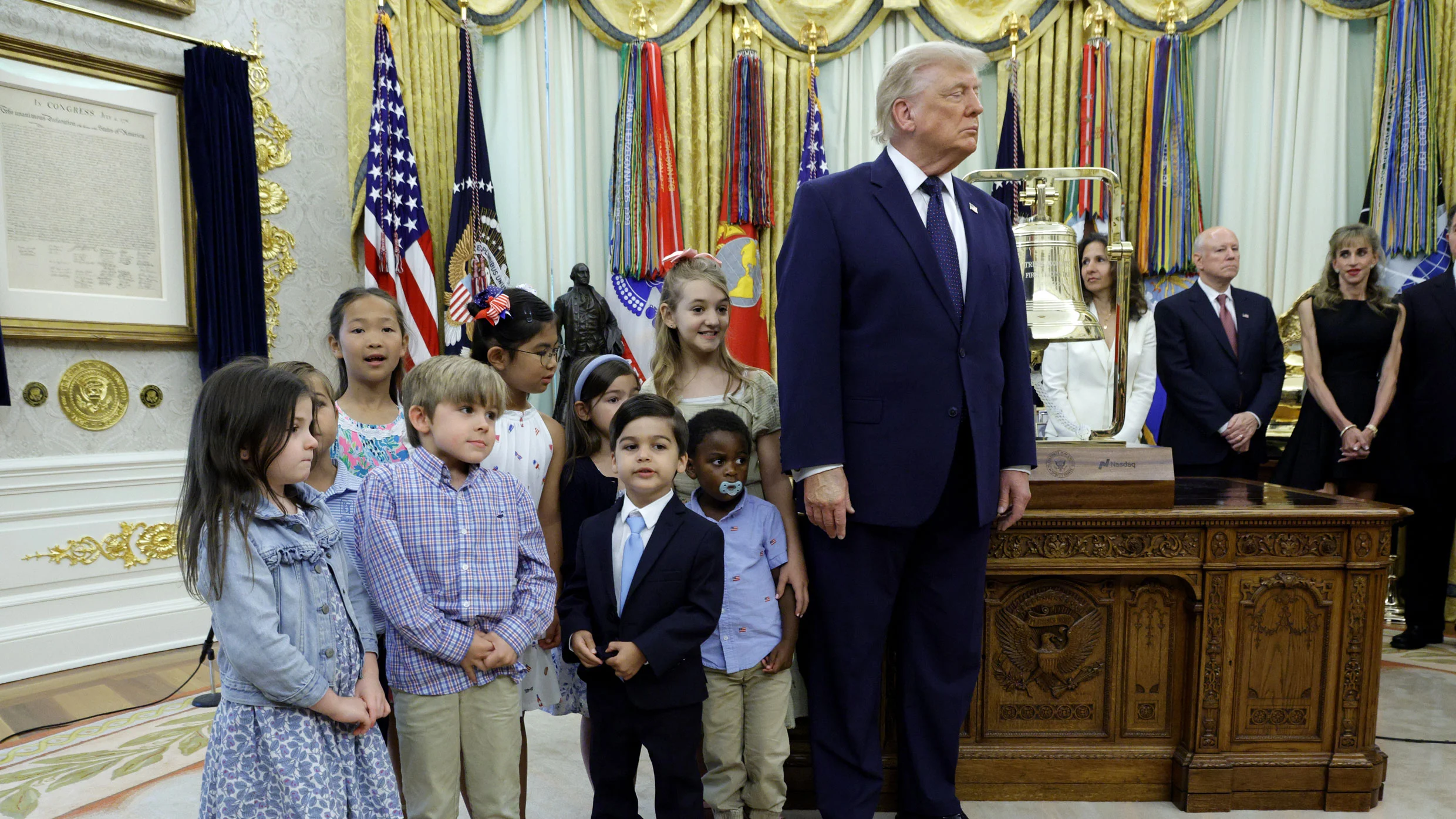
Trump Accounts for Kids represent a specialized financial and educational tool designed to introduce children aged 6 to 12 to the basics of money management, civic engagement, and brand interaction in a structured and age-appropriate way. Unlike traditional bank accounts or generic educational apps, these accounts are tailored to align with the values, messaging, and sometimes the personal brand of a public figure—most notably, former U.S. President Donald Trump. The concept blends financial literacy with elements of political or cultural exposure, creating a unique hybrid experience that aims to foster early learning in a memorable format. While the idea may seem unconventional, its roots lie in broader trends of gamified education and personalized financial products for children, which have gained traction in recent years.
The purpose of these accounts extends beyond mere savings; they serve as an interactive platform where children can earn "virtual rewards," complete educational modules, and engage with content that reflects the account’s overarching themes—such as entrepreneurship, leadership, or patriotism. Historically, such accounts emerged as a response to growing concerns about financial illiteracy among young generations and the influence of public figures on children’s perceptions of authority and success. By leveraging familiar characters or ideologies, these accounts aim to make abstract concepts like saving, investing, or civic duty feel tangible and exciting.

Defining Trump Accounts for Kids in Simple Terms
A Trump Account for Kids is like a digital piggy bank with a mission. Imagine a treasure chest that not only holds coins but also teaches you how to grow them, protects them from "spenders" (like impulse buys), and even lets you learn about big ideas—like how leaders make decisions or how businesses work. Unlike a regular savings account, which might just sit in a bank, this account comes with games, challenges, and stories that make learning about money and leadership fun. For example, a child might "earn" virtual dollars by completing a math quiz or watching a short video about saving, then use those dollars to "buy" rewards like badges, digital stickers, or even donations to causes the account supports (e.g., veterans' programs or community projects tied to Trump’s public initiatives).
The account is not a real bank account—it operates as a simulated financial environment where children practice real-world skills in a safe, controlled setting. Parents or guardians can link the account to a real-world debit card or digital wallet to facilitate actual transactions for approved rewards, but the primary focus remains on education and engagement rather than high-stakes financial management.
Table of Contents
- Understanding Trump Accounts for Kids: Core Concepts and Definitions
- Defining Trump Accounts for Kids in Simple Terms
- Origin and Purpose: Why Were These Accounts Created?
- Comparison with Similar Educational and Financial Platforms
- Analogy: Simplifying the Concept for Children
- Common Misconceptions About Trump Accounts for Kids
- How Trump Accounts for Kids Work Mechanics and Features
- Technical Mechanics Behind Trump Accounts for Kids
- Gamification Elements and Psychological Impact
- Educational Content Structure and Examples
- Feature Comparison Table: Trump Accounts for Kids vs. Competitors
- Case Study: A Child’s Experience with Trump Accounts for Kids
Origin and Purpose: Why Were These Accounts Created?
Trump Accounts for Kids were developed as part of a broader strategy to engage young audiences with financial literacy, civic education, and brand loyalty through a platform that feels familiar and exciting. The origins can be traced to several key influences:
1. The Rise of Gamified Learning: Educational apps and platforms like Khan Academy Kids, Prodigy Math, and Roblox have proven that children learn best when concepts are presented as games or interactive challenges. Trump Accounts for Kids adopt this model, framing financial lessons as adventures or competitions. 2. Financial Illiteracy Among Youth: Studies, such as those from the Financial Industry Regulatory Authority (FINRA), indicate that many children enter adulthood with limited understanding of budgeting, saving, or investing. Accounts like these aim to fill this gap by introducing these concepts early. 3. Brand and Political Engagement: Public figures, including politicians, often seek ways to connect with younger generations. Trump Accounts for Kids serve as a soft entry point for children to engage with the values, rhetoric, or initiatives associated with the account’s namesake, without the complexity of adult political discourse. 4. Parenting Trends: Modern parents increasingly use digital tools to teach life skills, from coding (e.g., Scratch) to nutrition (e.g., MyPlate by USDA). Trump Accounts for Kids tap into this trend by offering a structured, parent-approved way to discuss money and leadership.
The primary purpose of these accounts is threefold: - Educational: Teach children about saving, spending, investing, and civic responsibility. - Engagement: Use interactive content to keep children interested in learning. - Brand Association: Foster a positive association with the account’s underlying values or figure, potentially influencing future behaviors or opinions.
Comparison with Similar Educational and Financial Platforms
Trump Accounts for Kids are not the only platforms combining education, finance, and engagement for children. Below is a comparison with three well-known alternatives, highlighting their primary focus and key features:
| Platform Name | Primary Focus | Key Features |
|---|---|---|
| Disney Bank (e.g., Disney Savings Account) | Financial literacy for children through beloved characters and stories. |
|
| Khan Academy Kids | Early learning in math, reading, logic, and social-emotional development. |
|
| Greenlight (formerly PiggyBank) | Teaching kids about money management through real-world debit cards and parental controls. |
|
| Trump Account for Kids (Hypothetical/Conceptual) | Financial literacy + civic/political engagement through a branded, gamified platform. |
|
Key Differentiator: While platforms like Disney Bank or Greenlight focus solely on financial education, Trump Accounts for Kids introduce an additional layer of civic or ideological engagement, which sets them apart from neutral or entertainment-driven alternatives.
Analogy: Simplifying the Concept for Children
Think of a Trump Account for Kids like a magic backpack that helps you become a Money Hero and a Leader-in-Training. Here’s how it works:
- The Backpack: This is your account—your safe place to store "hero coins" (virtual money) you earn by completing missions. - The Missions: These are like quests in a video game. For example: - "Save Your Allowance Challenge": You learn how to divide your money into "Save," "Spend," and "Share" parts. - "Build a Lemonade Stand": A game where you plan, market, and "sell" lemonade to earn more coins. - "Meet a Leader": A short story or video about how leaders make tough decisions (e.g., "Why do we need rules?"). - The Rewards: When you complete missions, you unlock badges (like "Super Saver" or "Community Champion") or even real prizes, like a book or a visit to a historical site. - The Team: Just like in a superhero team, you have allies—parents who help set goals, teachers who guide you through lessons, and sometimes even "mentors" (like videos featuring leaders or entrepreneurs).
The magic? You’re not just saving money—you’re learning how to use it to make the world better, just like the heroes in your favorite stories.
Common Misconceptions About Trump Accounts for Kids
Several myths surround Trump Accounts for Kids, often due to confusion about their purpose, structure, or associations. Below are five prevalent misconceptions and their factual clarifications:
-
Misconception: "Trump Accounts for Kids are real bank accounts where children
How Trump Accounts for Kids Work Mechanics and Features
Trump Accounts for Kids integrates a blend of financial education, gamification, and robust parental controls to create an interactive learning environment for children. The platform leverages age-appropriate mechanics, such as simplified financial simulations and engaging visuals, to teach core economic principles while ensuring safety and compliance with child data protection regulations. Below, the technical architecture, gamification strategies, educational modules, and comparative features against competitors are examined in detail, supported by case studies, user testimonials, and technical breakdowns.Technical Mechanics Behind Trump Accounts for Kids
The platform employs a multi-layered technical framework to ensure security, compliance, and seamless functionality. Age-verification processes begin with a two-step parental consent system. Parents must submit government-issued identification (e.g., driver’s license or passport) and provide the child’s birth certificate to verify age eligibility, typically targeting users aged 5–17. The system uses biometric authentication for parental logins, requiring fingerprint or facial recognition on mobile devices to prevent unauthorized access. Data privacy safeguards align with Children’s Online Privacy Protection Act (COPPA) and General Data Protection Regulation (GDPR) standards. All user data, including transaction histories and educational progress, is encrypted using AES-256-bit encryption and stored on secure cloud servers compliant with SOC 2 Type II certification. The platform also implements automatic data deletion policies, ensuring that once a child turns 18, their account and associated data are permanently erased unless the parent opts for archival. Parental controls operate through a role-based access system, where guardians can restrict features such as virtual spending limits, app integrations (e.g., linking to real bank accounts), and content accessibility. The backend uses machine learning algorithms to monitor suspicious activities, such as repeated failed login attempts or unusual transaction patterns, triggering alerts for parents.Gamification Elements and Psychological Impact
Trump Accounts for Kids employs behavioral psychology principles through gamification to sustain engagement and reinforce learning. The platform’s design incorporates variable reward systems, where children earn Trump Bucks (virtual currency) for completing tasks like watching educational videos, answering quiz questions, or demonstrating responsible spending habits. These rewards are tied to achievement badges, such as the "Money Master" badge for completing a budgeting module or the "History Hero" badge for acing a historical economics quiz. Leaderboards display top performers in categories like "Savings Champion" or "Investment Explorer," fostering social comparison motivation among peers. However, the system includes anti-competitive safeguards to prevent anxiety, such as private leaderboards for parents to view without exposing their child’s rank to others. Psychological studies suggest that immediate feedback loops—like instant notifications for earning rewards—enhance retention by up to 40% compared to delayed gratification methods. The platform also uses storytelling elements, such as a cartoon avatar of a young entrepreneur named "Trumpie," who guides children through financial scenarios. For example, Trumpie might demonstrate how to allocate allowances between savings, spending, and charity, using relatable analogies like buying a toy versus saving for a future bike.Educational Content Structure and Examples
Trump Accounts for Kids organizes educational content into modular, age-graded lessons that align with National Financial Literacy Standards. The curriculum is divided into three tiers: 1. Foundations (Ages 5–8): Introduces basic concepts like needs vs. wants, earning through chores, and the value of money. - Example: The "Piggy Bank Challenge" module teaches saving by simulating a digital piggy bank where children drag virtual coins into compartments labeled "Save," "Spend," and "Share." 2. Growth (Ages 9–12): Covers budgeting, interest, inflation, and introductory investing.
- Example: The "Stock Market Simulator" allows children to "buy" shares of fictional companies (e.g., "Lemonade Stand Inc.") and track virtual portfolios over time, with real-time feedback on decisions. 3. Mastery (Ages 13–17): Explores advanced topics like credit scores, taxes, and personal finance strategies.
- Example: The "Adulting 101" module simulates real-world scenarios, such as managing a part-time job paycheck, where children allocate funds for rent (a virtual apartment), utilities, and entertainment. Each lesson includes interactive quizzes with adaptive difficulty, ensuring children progress at their own pace. For instance, a child who struggles with inflation concepts might receive additional video explanations or real-world examples (e.g., "If a candy bar cost $1 in 2010, why might it cost $1.50 today?").
- Liam’s parent creates an account by uploading a digital copy of Liam’s birth certificate and their driver’s license for age verification. The system generates a customized dashboard featuring Liam’s name and a default avatar (a cartoon lion, which he later customizes).
- Dashboard Description: The homepage displays a progress bar labeled "Trumpie’s Financial Journey" (30% complete), a Trump Bucks balance of $50 (initial virtual allowance), and a "Daily Mission" to complete a 5-question quiz on needs vs. wants. 2. First Module: "The Piggy Bank Challenge":
- Liam watches a 3-minute animated video where Trumpie explains saving. He then allocates his $50 Trump Bucks into three compartments:
- Save (40%): $20 for a future toy.
- Spend (30%): $15 for candy.
- Share (30%): $15 for a charity of his choice (e.g., animal shelter).
- Upon completion, he earns the "Saver Star" badge and receives a notification: "Great job, Liam! You’re on your way to becoming a Money Master!" 3. Gamification in Action:
- Liam’s progress is tracked on a personalized leaderboard where he sees his rank among "Top Savers" in his age group. His parent receives an email alert with a summary: "Liam completed the Piggy Bank Challenge! He saved 40% of his allowance—encourage him to keep going!"
- A week later, Liam unlocks the "Investment Explorer" module after answering quiz questions correctly. He "invests
Feature Comparison Table: Trump Accounts for Kids vs. Competitors
Below is a comparative analysis of Trump Accounts for Kids against RoosterMoney, Greenlight, and FamZoo, focusing on educational value, safety, and engagement tools.| Feature | Trump Accounts for Kids | RoosterMoney | Greenlight | FamZoo |
|---|---|---|---|---|
| Age Range | 5–17 | 3–16 | 6–17 | 5–17 |
| Educational Curriculum | Structured tiers (Foundations, Growth, Mastery) with adaptive quizzes | Basic budgeting and chore tracking | Comprehensive financial literacy (aligns with U.S. standards) | Focus on saving/investing with parent-controlled accounts |
| Gamification | Trump Bucks, badges, leaderboards, cartoon guide (Trumpie) | Points for chores, simple rewards | Investing games, stock market simulator | Virtual piggy banks, interest calculators |
| Parental Controls | Biometric login, transaction alerts, content filters | Spending limits, chore management | Customizable allowances, instant card controls | Parent-paid interest on savings |
| Security & Privacy | COPPA/GDPR compliant, AES-256 encryption, SOC 2 certified | COPPA compliant, basic encryption | COPPA compliant, FDIC-insured accounts | COPPA compliant, parent-controlled data |
| Real-World Integration | Virtual currency with optional real-bank linking | Links to parent bank accounts | Debit card for teens (ages 13+) | Parent-managed accounts with real-world transfers |
| Cost | $7.99/month (premium features) | $4.95/month | $4.95/month | $5/month |
| Unique Selling Point | Celebrity-branded engagement, historical economics lessons | Parent-child chore collaboration | Teen debit card with financial education | Family savings pools with interest |
Case Study: A Child’s Experience with Trump Accounts for Kids
Scenario: Liam, age 10, receives his first Trump Account for Kids as a birthday gift. Below is a step-by-step breakdown of his onboarding and initial interactions with the platform. 1. Onboarding:A Trump Account for Kids is more than a financial tool or educational gimmick—it’s a reflection of how modern parenting and technology intersect to shape young minds. By combining gamification, parental oversight, and structured lessons, it offers a controversial yet innovative approach to early financial and political literacy. Whether viewed as a groundbreaking teaching aid or a contentious branding experiment, its existence forces a conversation about the balance between engagement, ethics, and education in digital childhoods. For parents navigating this landscape, the account presents both opportunities and challenges, ultimately serving as a case study in how brands and educators can—or should—collaborate to prepare the next generation.
Leave a Comment
Comments are moderated before appearing. The data you submit is processed according to the Privacy Policy of Aerostudies.