What Is A Sane Exam And Its Critical Role In Justice

Published

When survivors of sexual assault walk into a hospital, the SANE exam becomes more than a medical procedure—it is a lifeline. The Sexual Assault Nurse Examiner process stands at the intersection of healthcare, forensic science, and legal advocacy, designed to collect evidence while prioritizing patient dignity. Unlike traditional forensic examinations, this specialized evaluation combines clinical expertise with trauma-informed care, ensuring victims receive both medical treatment and justice support in a single, compassionate encounter.

Rooted in the evolution of forensic nursing, the SANE exam has transformed over decades from reactive evidence collection to a proactive, patient-centered approach. Its significance lies not only in gathering admissible evidence for courts but also in providing survivors with immediate medical care, psychological screening, and connections to critical resources. Behind every SANE exam is a nurse trained to navigate the delicate balance between legal requirements and human empathy—a role that demands precision, sensitivity, and unwavering commitment to the victim’s well-being.

What Is A Sane Exam And Its Critical Role In Justice

Understanding the SANE Exam: Core Concepts and Definitions
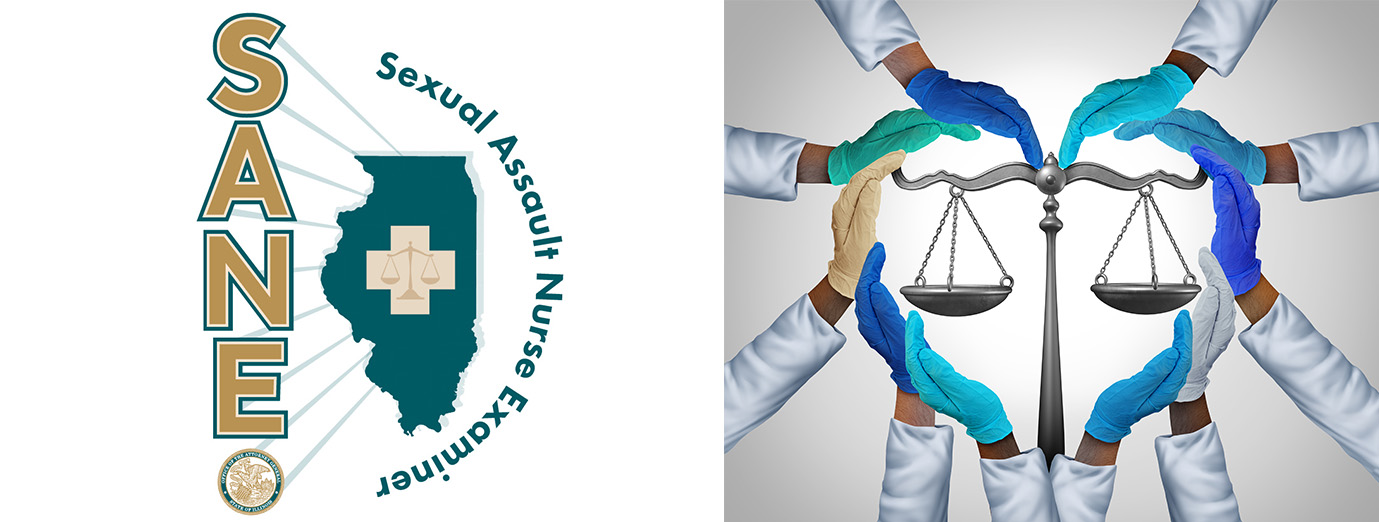
What Is A Sane Exam And Its Critical Role In Justice

The SANE exam represents a pivotal advancement in forensic medicine and patient-centered care, specifically designed to address the complex medical, legal, and emotional needs of survivors of sexual assault. Originating from the intersection of forensic science and nursing practice, the SANE (Sexual Assault Nurse Examiner) exam has evolved into a specialized, trauma-informed protocol that prioritizes both evidence collection and holistic patient support. Unlike traditional forensic evaluations, the SANE exam integrates clinical expertise with forensic rigor, ensuring that survivors receive compassionate care while preserving critical evidence for legal proceedings. Its development reflects broader societal shifts toward recognizing sexual violence as a public health crisis, demanding a multidisciplinary response that bridges medicine, law enforcement, and advocacy.

The term "SANE exam" encapsulates three critical components: Sexual Assault, Nurse Examiner, and the examination process itself, each contributing to its unique role in the criminal justice system. The acronym underscores the exam’s dual purpose—medical and forensic—while emphasizing the specialized training of nurses who conduct it. These professionals undergo rigorous certification to master both clinical and forensic techniques, distinguishing them from general healthcare providers or law enforcement officers. Legally, the SANE exam serves as a cornerstone of evidence in sexual assault cases, providing admissible documentation that can influence prosecutions, sentencing, or civil proceedings. Medically, it offers survivors immediate care, including treatment for injuries, sexually transmitted infections (STIs), or pregnancy prevention, while simultaneously collecting forensic evidence without retraumatizing the patient.
What Is A Sane Exam And Its Critical Role In Justice

Historical Evolution and Forensic Foundations

The SANE exam emerged in the late 20th century as a response to systemic failures in handling sexual assault cases, where survivors often faced revictimization during medical and legal processes. Before its formalization, forensic evidence collection was typically conducted by non-specialized healthcare providers, law enforcement, or coroners, leading to inconsistencies in evidence quality and patient care. The 1970s and 1980s marked a turning point with the rise of rape crisis centers and advocacy groups pushing for standardized protocols. Nurses, recognized for their clinical skills and ability to build trust, became instrumental in designing a more patient-centered approach.

Key milestones in the SANE exam’s development include: - 1975: The first rape treatment centers in the U.S. began integrating forensic evidence collection with medical care. - 1980s: The International Association of Forensic Nurses (IAFN) was founded, establishing guidelines for forensic nursing practice. - 1990s: The SANE certification program was formalized, requiring nurses to complete 40–70 hours of specialized training in forensic science, patient advocacy, and legal procedures. - 2000s: Expansion of SANE programs nationwide, with federal funding (e.g., SAVE Act of 2005) supporting training and resource allocation.

Table of Contents

Today, the SANE exam is a gold standard in forensic nursing, adopted in over 80% of Sexual Assault Response Teams (SARTs) in the U.S. and increasingly in international settings. Its evolution reflects a broader paradigm shift from punitive, evidence-focused approaches to trauma-informed, survivor-centered care.

Distinct Differences Between SANE Exams and Other Forensic Evaluations

While forensic medical examinations share the goal of documenting evidence for legal purposes, the SANE exam stands apart due to its integrated medical-forensic approach, specialized training of examiners, and emphasis on psychological support. Below is a comparative analysis of the SANE exam against other common forensic evaluations:

Who Conducts a SANE Exam and Why?

Sexual assault examinations require a delicate balance of medical expertise, forensic precision, and compassionate patient care. The Sexual Assault Nurse Examiner (SANE) plays a pivotal role in this process, bridging healthcare and law enforcement to ensure victims receive both medical treatment and justice. Unlike traditional examinations conducted by emergency room physicians or law enforcement officers, SANE exams are performed by specially trained nurses who combine clinical skills with forensic awareness. Their involvement not only enhances evidence collection but also prioritizes patient dignity, psychological support, and legal admissibility. Understanding the qualifications, roles, and collaborative dynamics of SANE nurses—and how they differ from other professionals—reveals why their expertise is indispensable in sexual assault cases.

Qualifications, Training, and Certifications for SANE Nurses

Becoming a Sexual Assault Nurse Examiner (SANE) requires a rigorous blend of clinical experience, specialized training, and certification through recognized forensic nursing organizations. The International Association of Forensic Nurses (IAFN) is the primary certifying body, offering two distinct certifications: SANE-A (Adult) and SANE-P (Pediatric). These credentials validate a nurse’s ability to conduct age-appropriate examinations while adhering to forensic standards. Eligibility Criteria for Certification:

  • Educational Background: Registered Nurse (RN) license with an active, unrestricted status. Advanced practice nurses (e.g., Nurse Practitioners) may also qualify.
  • Clinical Experience: Minimum of 2,000 hours in a relevant clinical setting (e.g., emergency department, urgent care, or sexual assault program) within the past three years.
  • Forensic Training: Completion of a 40-hour didactic course covering forensic science, evidence collection, legal aspects of sexual assault, and patient advocacy. Topics include chain of custody, documentation standards, and trauma-informed care.
  • Hands-on Training: 100 hours of supervised clinical practice under a preceptor certified as a SANE-A or SANE-P.
  • Examination: Passing a written exam administered by the IAFN, testing knowledge of forensic nursing protocols, legal procedures, and patient management.
  • Specializations:

  • SANE-A (Adult): Focuses on examinations for victims aged 13 and older, including adults and adolescents. Training emphasizes adult anatomy, consent laws, and evidence collection for crimes involving adults.
  • SANE-P (Pediatric): Specializes in children and adolescents (under 13), requiring additional training in child development, communication techniques for non-verbal victims, and legal nuances involving minors (e.g., mandatory reporting laws).
  • Recertification: Certifications must be renewed every five years through continuing education (e.g., 30 hours of forensic nursing education) and retesting. Many SANE nurses pursue additional certifications, such as Forensic Nurse Examiner (FNE) or Forensic Nurse Consultant (FNC), to expand their roles in legal consultations or program development.

    Comparative Analysis of Roles in Sexual Assault Examinations

    The response to sexual assault involves multiple professionals, each with distinct responsibilities. Below is a comparative analysis of key roles, highlighting their training focus, legal involvement, and interaction with victims.

    Examination Type Purpose Conducted By Key Features Legal Use
    SANE Exam
    • Comprehensive medical care for survivors of sexual assault.
    • Forensic evidence collection (e.g., DNA, injuries, trace evidence).
    • Psychological support and trauma-informed communication.
    • Prevention of STIs and emergency contraception.
    • Certified SANE nurses (RN, APRN) with forensic training.
    • Often part of a Sexual Assault Response Team (SART).
    • Patient-controlled environment (e.g., private rooms, advocacy presence).
    • Use of colposcopes for detailed injury documentation.
    • Standardized forensic kits with chain-of-custody protocols.
    • Post-exam follow-up resources (e.g., counseling referrals).
    • Evidence admissible in criminal and civil courts.
    • Reports used for prosecution, sentencing, and restraining orders.
    • Confidentiality protections under HIPAA and state laws.
    Standard Rape Kit (Forensic Evidence Collection Only)
    • Limited to evidence collection (e.g., swabs, photographs).
    • No medical treatment or psychological support.
    • Often conducted by law enforcement or non-specialized medical staff.
    • Emergency room physicians, PAs, or untrained personnel.
    • Occasionally by forensic nurses in non-SANE settings.
    • Basic forensic kits with limited documentation standards.
    • Higher risk of retraumatization due to lack of empathy training.
    • Chain-of-custody may be less rigorous than SANE protocols.
    • Evidence may be challenged in court due to improper collection.
    • Less reliable for medical or psychological claims (e.g., injury documentation).
    General Physical Exam (Non-Forensic)
    • Diagnosis and treatment of medical conditions (e.g., injuries, infections).
    • No forensic evidence collection.
    • Focus on immediate health needs without legal considerations.
    • Primary care physicians, ER doctors, or pediatricians.
    • Standard medical history and physical assessment.
    • No chain-of-custody documentation for legal use.
    • Lack of specialized training in sexual assault trauma.
    • Not admissible as forensic evidence.
    • May be used in civil cases (e.g., personal injury claims) if documented properly.
    Emergency Room Evaluation (Trauma-Informed but Non-Forensic)
    • Emergency medical treatment for acute injuries or infections.
    • Psychological first aid and crisis intervention.
    • No forensic evidence collection unless requested by patient or police.
    • ER physicians, nurse practitioners, or trauma-trained staff.
    • Use of trauma-informed protocols (e.g., minimizing retraumatization).
    • Referrals to counseling or SANE services if needed.
    • No standardized forensic documentation.
    Role Primary Responsibilities Training Focus Legal Involvement Patient Interaction
    SANE Nurse (Adult/Pediatric)
    • Conducts comprehensive medical-legal examinations, including injury assessment and evidence collection (e.g., DNA, trace evidence).
    • Provides emergency medical treatment (e.g., STI prophylaxis, pregnancy prevention).
    • Documents findings with forensic precision for court admissibility.
    • Offers crisis intervention, referrals to counseling, and advocacy.
    • Forensic nursing protocols (e.g., IAFN standards).
    • Anatomical and age-specific examination techniques.
    • Legal aspects (e.g., consent, chain of custody, mandatory reporting).
    • Trauma-informed communication.
    • Testifies in court as an expert witness on medical findings.
    • Collaborates with prosecutors to ensure evidence integrity.
    • May consult on case strategies (e.g., timeline reconstruction).
    • Patient-centered approach with emphasis on comfort and dignity.
    • Explains procedures in accessible language.
    • Builds trust to encourage full disclosure.
    Forensic Nurse Examiner (FNE)
    • Broader scope than SANE, including death investigations, human trafficking, and elder abuse.
    • May work in medical examiner offices or specialized forensic units.
    • Consults on complex cases requiring advanced forensic analysis.
    • Advanced forensic science (e.g., autopsy assistance, toxicology).
    • Specialized training in death investigation or alternative crime scenes.
    • Legal consultation for prosecutors.
    • Expert witness in civil and criminal cases.
    • Assists in reconstructing crime scenes.
    • Limited direct patient interaction; focuses on evidence analysis.
    • May collaborate with SANEs in complex cases.
    Emergency Room (ER) Physician
    • Provides urgent medical care (e.g., treating injuries, infections).
    • May collect limited forensic evidence if SANE unavailable.
    • Focuses on stabilizing the patient rather than forensic documentation.
    • General emergency medicine and trauma care.
    • Basic forensic awareness (varies by facility).
    • No specialized training in sexual assault evidence collection.
    • Minimal legal involvement; may refer to law enforcement.
    • Does not testify on forensic findings.
    • Prioritizes medical treatment over patient comfort in non-emergent scenarios.
    • May lack training in trauma-informed communication.
    Law Enforcement Officer (Detective/Investigator)
    • Investigates the crime scene and gathers witness statements.
    • Coordinates with SANE nurses for evidence transport and documentation.
    • Interviews victims (if not deferred to SANE or advocate).
    • Ensures chain of custody for forensic evidence.
    • Criminal investigation techniques.
    • Basic knowledge of evidence handling (varies by department).
    • Training in interviewing victims (e.g., trauma-informed approaches).
    • Primary point of contact for legal proceedings.
    • Files reports and presents evidence to prosecutors.
    • Testifies on investigative findings.
    • May retraumatize victims with invasive questioning.
    • Relies on SANE nurses for medical-legal details.
    • Advocates for victim’s needs during the process.
    Victim Advocate

      The SANE Exam Process: Step-by-Step Breakdown

      The Sexual Assault Nurse Examiner (SANE) exam is a meticulously structured forensic process designed to provide medical care, collect evidence, and support survivors of sexual assault. Unlike routine medical exams, the SANE exam integrates clinical assessment with forensic documentation to preserve evidence while prioritizing the survivor’s physical and emotional well-being. Each phase—from pre-exam protocols to post-exam follow-ups—follows standardized procedures to ensure accuracy, legality, and compassion. Below is a detailed breakdown of the process, emphasizing the systematic approach taken by SANE nurses to address both medical and forensic needs.

      Pre-Exam Phase: Patient Intake and Initial Assessment

      The pre-exam phase establishes the foundation for the entire process, focusing on patient intake procedures, confidentiality protocols, and the initial clinical assessment to determine the necessity of a forensic exam. This stage is critical in setting the tone for the survivor’s experience, ensuring they feel heard, respected, and informed about their rights and options. Patient Intake Procedures SANE nurses begin by conducting a private, trauma-informed intake interview in a secure environment, typically in a dedicated SANE exam room or a hospital setting designed for forensic care. Key components include:
    • Identity Verification: Confirming the survivor’s identity (if applicable) and establishing legal consent, particularly for minors or individuals who may lack decision-making capacity. In cases of incapacity, nurses follow substituted judgment or best interest standards while involving legal guardians or social services.
    • Consent and Rights Explanation: Clearly explaining the voluntary nature of the exam, the right to refuse any part of the process, and the survivor’s legal rights, including the option to report the assault to law enforcement without undergoing an exam. Nurses use plain language to avoid medical jargon, ensuring comprehension.
    • Medical and Assault History: Gathering a brief medical history (e.g., allergies, chronic conditions, current medications) and details about the assault, such as:
    • Time and location of the incident.
    • Perpetrator description (if known).
    • Use of force, weapons, or substances (e.g., drugs, alcohol).
    • Any prior medical treatment sought for injuries.
    • Safety Planning: Assessing immediate safety risks, such as threats from the perpetrator or unsafe living conditions, and providing resources (e.g., emergency shelters, legal advocacy) if needed.
    • Confidentiality Protocols Confidentiality is a cornerstone of the SANE exam, governed by HIPAA (Health Insurance Portability and Accountability Act) and state-specific laws. Nurses adhere to strict protocols:
    • Limited Disclosure: Information shared only with authorized personnel (e.g., forensic nurses, law enforcement with a court order or survivor’s consent).
    • Separate Documentation: Medical records are kept distinct from forensic evidence logs to protect the survivor’s privacy.
    • Advocacy for Anonymity: Offering options to use a pseudonym in medical records if the survivor wishes to avoid disclosing their identity in legal proceedings.
    • Initial Assessment for Exam Necessity The SANE nurse evaluates whether a forensic exam is medically and legally warranted based on:
    • Time Since Assault: Exams are most effective when conducted within 72–96 hours, but evidence collection may still occur beyond this window, depending on the type of assault and local protocols.
    • Physical Evidence Presence: Signs of trauma (e.g., lacerations, bruising, foreign substances) or the potential for DNA evidence (e.g., semen, saliva) influence the decision.
    • Survivor’s Goals: Aligning the exam with the survivor’s priorities—whether they seek medical treatment, evidence collection, or both—while ensuring their autonomy.
    • Physical Examination Components

      The physical examination in a SANE exam is a structured, non-judgmental assessment conducted by a trained nurse using a head-to-toe approach. The exam prioritizes minimizing retraumatization while systematically documenting findings. Components are performed only with explicit consent, and survivors may request pauses, changes in examiner, or termination at any time. The exam includes: General Inspection and Vital Signs
    • Appearance and Behavior: Observing for signs of distress (e.g., agitation, dissociation) or physical trauma (e.g., clothing tears, defensive wounds).
    • Vital Signs: Recording blood pressure, pulse, and respiratory rate to assess acute stress or injury.
    • Height and Weight: Documented for forensic purposes, particularly in cases involving drug-facilitated assault or age estimation.
    • Detailed Physical Assessment The exam follows a standardized anatomical sequence, with each step documented in a forensic report. Key areas include:
    • Head and Neck
    • Inspection for lacerations, bruising, or bite marks around the face, ears, and neck.
    • Oral Cavity Examination: Checking for trauma (e.g., lip lacerations, dental injuries) or foreign substances (e.g., saliva, semen) using sterile swabs.
    • Documentation: Photographs (if consented) and detailed notes on location, size, and characteristics of injuries.
    • Chest, Abdomen, and Back
    • External Inspection: Looking for patterned injuries (e.g., ligature marks, burns) or defensive wounds (e.g., scratches on arms).
    • Pelvic and Breast Examination:
    • Breast Inspection: Checking for bruising, tenderness, or nipple trauma, which may indicate strangulation or sexual assault.
    • Pelvic Assessment: Evaluating for genital/anal trauma, bruising, or signs of recent sexual activity (e.g., semen, blood). This is performed with maximum privacy and dignity, using a colposcope (a magnifying device) for detailed visualization.
    • Genital and Anal Examination
    • External Genitalia Inspection: Assessing for lacerations, abrasions, or hymenal trauma in females; urethral or penile injuries in males; and anal trauma in all survivors.
    • Internal Examination (If Consented):
    • Speculum Exam (Females): Used to visualize the cervix, vagina, and hymen for signs of trauma. No anesthetic is used unless medically necessary, as it may obscure forensic findings.
    • Rectal Exam: Conducted if anal penetration is reported, using a gloved, lubricated anoscope to assess for trauma.
    • Photographic Documentation: High-resolution images are taken with a forensic camera and scale markers for legal admissibility.
    • Pelvic Floor Assessment: Evaluating for muscle spasms or tenderness, which may indicate recent assault.
    • Upper and Lower Extremities
    • Skin Trauma: Documenting bruises, burns, or ligature marks (e.g., wrist or ankle restraint injuries).
    • Nail and Hair Examination: Collecting debris under nails (using forceps) or pubic hair samples for forensic analysis if relevant.
    • Special Considerations
    • Pediatric Survivors: Exams are adapted to minimize distress, often involving child life specialists and using age-appropriate language.
    • Male Survivors: Frequently overlooked, but exams include penile, scrotal, and anal assessments for trauma or evidence.
    • Transgender and Non-Binary Survivors: Exams respect gender identity and focus on reported areas of assault, avoiding assumptions about anatomy.
    • Evidence Collection Process: Types, Packaging, and Chain-of-Custody

      Evidence collection is the forensic backbone of the SANE exam, ensuring legally admissible samples are preserved for potential prosecution. The process follows strict protocols to maintain the chain of custody, a critical legal requirement that tracks evidence from collection to courtroom presentation. Below is a checklist-style breakdown of the evidence types, handling procedures, and documentation standards. Types of Evidence Collected Evidence is categorized based on its potential forensic value and the timing since the assault. Common samples include:
    • Biological Samples
    • Oral Swabs: Collected from the inner cheeks (buccal swabs) for DNA comparison with the survivor’s profile.
    • Genital/Anal Swabs: Using sterile cotton or rayon swabs moistened with sterile water or saline, collected from the vagina, cervix, anus, and urethra (for females) or penis/urethra (for males).
    • Pubic Hair: Plucked (not cut) using sterile forceps and placed in a paper envelope to avoid degradation.
    • Blood Samples: Drawn for DNA analysis, toxicology screening (e.g., drugs, alcohol), and pregnancy testing if requested.
    • Foreign Substances
    • Semen, Saliva, or Vaginal Secretions
    • The Sexual Assault Nurse Examiner (SANE) exam operates within a rigorous legal and forensic framework designed to protect victims, preserve evidence, and ensure admissibility in court. Legal statutes vary by state, shaping protocols for consent, evidence collection, and victim rights, while forensic principles guide the scientific integrity of the examination. Understanding these aspects is critical for healthcare professionals, legal advocates, and victims to navigate the complexities of sexual assault cases effectively. The interplay between medical, legal, and ethical standards ensures that SANE exams not only serve as a compassionate response to trauma but also as a cornerstone of forensic evidence in criminal proceedings. The legal foundation for SANE exams is built on a combination of federal guidelines, state-specific statutes, and case law addressing sexual assault, evidence collection, and victim rights. Federal laws, such as the Victims of Crime Act (VOCA) and the Violence Against Women Act (VAWA), provide funding and standards for sexual assault response teams, including SANE programs, while emphasizing victim-centered care and evidence preservation. State laws further define the scope of exams, mandatory reporting requirements, and the admissibility of evidence in court. Key legal considerations include:
    • Mandatory Reporting Laws: Many states require healthcare providers to report suspected sexual assault, particularly involving minors or vulnerable adults, to law enforcement. For example, California’s Penal Code § 11166 mandates reporting of known or suspected child abuse, including sexual assault.
    • Evidence Collection Protocols: States often outline specific procedures for collecting forensic evidence, such as the use of rape kits (SAKs) and chain-of-custody documentation. Texas’ Code of Criminal Procedure § 64.001 details the collection and preservation of evidence in sexual assault cases.
    • Victim Rights: Laws such as New York’s Article 120 and Illinois’ Sexual Assault Survivors Emergency Treatment Act ensure victims have the right to a SANE exam, access to support services, and protection from secondary trauma during the legal process.
    • Consent and Confidentiality: While HIPAA generally protects patient confidentiality, exceptions exist for mandatory reporting and legal proceedings. State laws like Florida’s Chapter 794 balance confidentiality with the need to investigate crimes.
    • State-specific variations in these laws reflect differing priorities, such as age-of-consent thresholds or parental notification requirements, which can significantly impact the exam process and legal outcomes. State laws governing consent for SANE exams—particularly for minors and incapacitated adults—differ widely, influencing how healthcare providers and law enforcement proceed. Below is a comparative table highlighting key distinctions across selected states. For comprehensive legal guidance, consulting state statutes or legal counsel is essential.
      State Age of Consent for Exam Parental Notification Requirements Exceptions Legal References
      California No minimum age; exam conducted regardless of age or consent capacity (mandatory for minors under Penal Code § 13622). Not required for minors; law enforcement may notify CPS. Parental notification for adults with disabilities requires consent unless incapacitated. Emergency situations or when victim is deemed incapable of consenting (e.g., unconscious or developmentally disabled). Penal Code §§ 13622, 11166; Welfare & Institutions Code § 15610.75.
      Texas No age limit; exam performed regardless of consent capacity, with priority given to victims under 18 (Family Code § 261.001). Parental notification discouraged unless legally required (e.g., CPS involvement). For adults, notification depends on incapacity assessment. Victim’s inability to consent due to age, disability, or intoxication; law enforcement may waive parental notification in cases of immediate danger. Family Code §§ 261.001–261.453; Code of Criminal Procedure § 64.001.
      New York No minimum age; exams conducted for all victims, with special protections for minors under Article 120. Parental notification not required for minors; healthcare providers must inform victims of their right to confidentiality where possible. Victims under 18 or those lacking decision-making capacity; law enforcement may override confidentiality for safety concerns. Article 120; Public Health Law § 2801-d.
      Florida No age limit; exams performed for all victims, with mandatory reporting for minors under Chapter 39. Parental notification not required for minors; healthcare providers must notify DCF if abuse is suspected. For adults, notification contingent on incapacity. Victims unable to consent due to age, disability, or substance use; law enforcement may intervene if victim is in danger. Chapter 39; Chapter 794; Florida Statutes § 39.0061.
      Illinois No minimum age; exams conducted for all victims, with enhanced protections for minors under the Sexual Assault Survivors Emergency Treatment Act. Parental notification discouraged unless legally mandated (e.g., CPS involvement). For adults, notification depends on guardianship status. Victims under 18 or those with intellectual disabilities; law enforcement may waive notification in emergencies. 720 ILCS 5/11-1.60; 720 ILCS 5/11-1.70.
      Ohio No age limit; exams performed for all victims, with mandatory reporting for minors under Ohio Revised Code § 2151.421. Parental notification not required for minors; healthcare providers must report to CPS. For adults, notification based on legal guardianship. Victims under 18 or those lacking mental capacity; law enforcement may override confidentiality for immediate safety. Ohio Revised Code §§ 2151.421, 2903.21; Revised Code § 3701.22.

      Admissibility of SANE Exam Evidence in Court

      The forensic integrity of a SANE exam is paramount to the evidence’s admissibility in court. Forensic reports prepared by SANE nurses must adhere to scientific standards, chain-of-custody protocols, and legal guidelines to withstand challenges from defense attorneys. The admissibility of evidence is governed by rules such as the Federal Rules of Evidence (FRE 702) and state equivalents, which require expert testimony to be reliable, relevant, and based on sound scientific principles. Key components ensuring admissibility include:
    • Documentation and Chain of Custody: Every piece of evidence collected—such as DNA samples, clothing, or swabs—must be meticulously documented with timestamps, handler identities, and secure storage. Contamination or improper handling can lead to evidence exclusion, as seen in cases like State v. Turner (2018), where a delayed chain-of-custody resulted in a mistrial.
    • Forensic Report Preparation: SANE nurses compile detailed reports outlining the exam’s findings, including injuries, evidence collected, and victim statements. Reports must be objective, free of bias, and prepared in compliance with state-specific forensic reporting standards. For example, Texas’ Sexual Assault Evidence Collection Kit Protocol mandates specific formatting and content for court admissibility.
    • Expert Testimony: SANE nurses often serve as expert witnesses, explaining technical aspects of the exam to the court. Their credibility hinges on training, certification (e.g., through IAFN or SANE-A), and adherence to professional standards. Challenges to testimony may arise if the nurse lacks specialized knowledge or if the defense questions the exam’s methodology.
    • Common Challenges to Evidence:
    • Consent Issues: Disputes over whether the victim
    • The SANE exam represents a pivotal moment where medicine, law, and advocacy converge to serve survivors of sexual violence. By understanding its origins, the meticulous processes involved, and the legal frameworks that govern it, stakeholders can better appreciate its dual role as both a medical intervention and a tool for justice. For victims, this exam offers not just evidence for prosecution but also a pathway to healing, supported by professionals who treat them with the respect and care they deserve. As society continues to refine its response to sexual assault, the SANE exam remains a cornerstone of progress—one that bridges the gap between trauma and accountability.