What Are The Eligibility Criteria For Youtube Shorts Creator Program Explained C

Published

YouTube Shorts has reshaped content creation by offering creators a direct route to monetization, but navigating its eligibility criteria remains a hurdle for many. With over 50 billion daily views, Shorts demands a strategic approach to unlock its financial rewards, yet missteps in compliance or application can derail opportunities. The YouTube Shorts Creator Program, distinct from traditional monetization pathways, introduces unique requirements that often confuse even seasoned creators.

The program’s structure blends technical prerequisites with algorithmic evaluations, creating a dual-layered system where channel metrics and policy adherence play equally critical roles. Unlike the YouTube Partner Program, Shorts monetization hinges on engagement-driven thresholds, such as watch time and upload consistency, rather than subscriber counts alone. This shift forces creators to adapt their strategies, balancing rapid content production with adherence to evolving platform guidelines. Understanding these nuances is essential for those aiming to transition from organic growth to sustainable earnings through Shorts.
What Are The Eligibility Criteria For Youtube Shorts Creator Program Explained C

Understanding YouTube Shorts and Its Creator Program
What Are The Eligibility Criteria For Youtube Shorts Creator Program Explained C

YouTube Shorts has evolved from a feature designed to compete with TikTok and Instagram Reels into a powerful tool for creators aiming to monetize their short-form content. Launched in 2020, Shorts initially focused on providing a space for bite-sized videos (up to 60 seconds) that could leverage YouTube’s existing infrastructure, such as algorithms, discovery tools, and audience engagement metrics. Over time, YouTube has transformed Shorts into a standalone content category with dedicated monetization programs, analytics, and promotional tools. The platform’s growth reflects a strategic shift by YouTube to retain creators and viewers amid the rise of short-video competitors, while also offering a pathway for creators to transition from short-form to long-form content seamlessly.

The YouTube Shorts Creator Program represents a specialized monetization framework tailored exclusively for creators who focus on short-form content. Unlike the broader YouTube Partner Program (YPP), which requires adherence to strict eligibility criteria (such as 1,000 subscribers and 4,000 watch hours in the past 12 months), the Shorts Creator Program is designed to be more accessible. It prioritizes creators who consistently produce high-quality, engaging Shorts while maintaining a growing audience. This program is not just an alternative to YPP but a complementary pathway that allows creators to earn revenue directly from Shorts views, separate from traditional ad revenue. The integration with YPP ensures that creators can eventually expand their monetization opportunities across both short and long-form content.

What Are The Eligibility Criteria For Youtube Shorts Creator Program Explained C

Evolution of YouTube Shorts and Its Impact on Content Creation

YouTube Shorts emerged as a response to the dominance of TikTok and Instagram Reels in the short-video space, which had captured a significant portion of younger audiences. Initially, Shorts was introduced as a feature within the YouTube app, allowing creators to upload vertical, fast-paced videos optimized for mobile viewing. The platform’s algorithm quickly adapted to favor Shorts in the "Shorts shelf" and search results, providing creators with a dedicated space for discovery. This shift was not merely about competing with other platforms but about redefining YouTube’s role in the short-video ecosystem.

By 2021, YouTube began rolling out monetization features for Shorts, including the Shorts Fund, a pool of money distributed to creators based on the performance of their Shorts. This move was a game-changer, as it allowed creators to earn revenue without meeting the stringent requirements of the YouTube Partner Program. The Shorts Fund operates on a revenue-sharing model, where YouTube allocates a portion of its advertising revenue to creators based on the number of views their Shorts receive. This system incentivizes creators to produce content that aligns with YouTube’s algorithmic preferences, such as high retention rates, watch time, and engagement.

Table of Contents

The evolution of Shorts also introduced dedicated analytics tools, allowing creators to track the performance of their Shorts separately from their long-form content. Metrics such as average view duration, watch time, and shares became critical for optimizing content strategy. Additionally, YouTube has partnered with brands and advertisers to integrate Shorts into ad campaigns, further solidifying its position as a viable platform for both creators and businesses. The platform’s growth has been exponential, with Shorts now accounting for over 30% of total watch time on YouTube in some regions, underscoring its importance in the modern content landscape.

YouTube Shorts Creator Program Overview

The YouTube Shorts Creator Program is a monetization initiative designed to reward creators for producing high-quality Shorts content. Unlike the Shorts Fund, which distributes payments based on views, the Creator Program offers additional revenue streams, including: - Ad revenue sharing: Creators earn a portion of the ads displayed on their Shorts. - Exclusive features: Access to tools like the Shorts Fund dashboard, performance insights, and brand collaborations. - Priority support: Direct access to YouTube’s creator support team for troubleshooting and growth strategies.

To qualify for the program, creators must meet specific eligibility criteria, which are generally less stringent than those for the YouTube Partner Program. However, the requirements are still designed to ensure that only creators who can sustain engagement and produce consistent content are rewarded. The program is structured to complement the Shorts Fund, meaning creators can participate in both simultaneously, maximizing their earning potential.

One of the key distinctions between the Shorts Creator Program and traditional monetization is the focus on short-form content. While YPP requires a balance of long-form and short-form videos, the Shorts Creator Program is optimized for creators who primarily produce Shorts. This specialization allows YouTube to tailor support, analytics, and revenue models to the unique demands of short-video creation.

Step-by-Step Breakdown of the YouTube Shorts Creator Program Integration with YPP

The YouTube Shorts Creator Program is designed to seamlessly integrate with the YouTube Partner Program (YPP), providing creators with a clear pathway to expand their monetization opportunities. Below is a structured breakdown of how the two programs align within YouTube’s broader ecosystem:

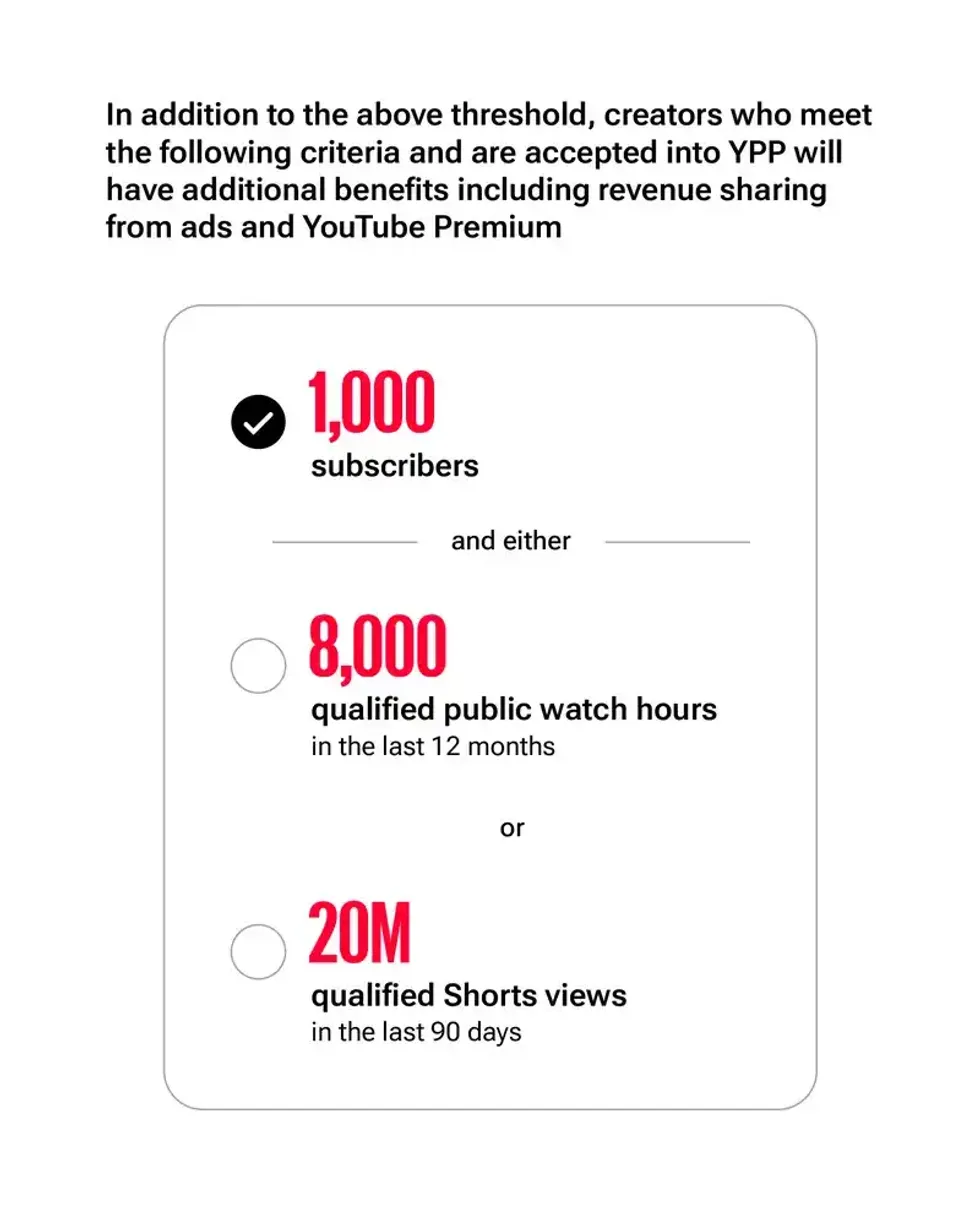
1. Eligibility and Onboarding - Creators must first meet the Shorts Creator Program requirements, which include: - 1,000 subscribers (lower than YPP’s 4,000 watch hours requirement). - Consistent uploads of Shorts content (typically 3+ Shorts in the last 90 days). - Compliance with YouTube’s policies, including community guidelines and copyright rules. - Once eligible, creators can apply through their YouTube Studio dashboard, where they will be prompted to enable monetization for Shorts.

2. Monetization Activation - After approval, creators gain access to the Shorts Fund (if eligible) and the Shorts Creator Program revenue streams. - The Shorts Fund operates on a monthly payout cycle, with payments distributed based on the number of Shorts views (with a minimum threshold of 10 million Shorts views in the past 90 days for initial eligibility). - Ad revenue from Shorts is calculated separately from long-form content, allowing creators to track earnings specifically from their short videos.

3. Transition to YouTube Partner Program (YPP) - Creators who grow their audience and meet YPP’s requirements (1,000 subscribers and 4,000 watch hours) can apply for YPP separately. - Once in YPP, creators unlock additional features, such as: - Super Chats, Super Stickers, and Memberships for live streams. - Long-form ad revenue from videos longer than 1 minute. - Advanced analytics for both Shorts and long-form content. - The Shorts Creator Program does not replace YPP but serves as a stepping stone, allowing creators to monetize their Shorts while working toward YPP eligibility.

4. Optimization and Growth Strategies - Creators are encouraged to leverage Shorts for audience growth, using trends, hashtags, and engagement tactics to increase visibility. - Successful Shorts can drive traffic to long-form content, creating a feedback loop where short videos act as teasers or standalone pieces that attract subscribers. - YouTube provides dedicated resources, such as the Shorts Playbook, to help creators refine their content strategy and maximize earnings.

Comparison Table: YouTube Shorts Creator Program vs. YouTube Partner Program (YPP)

Below is a detailed comparison of the two programs, highlighting their key features, differences, and how they cater to different creator needs.

Core Eligibility Criteria for the YouTube Shorts Creator Program

YouTube’s Shorts Creator Program serves as a monetization pathway for creators producing engaging, vertical video content under 60 seconds. Unlike traditional YouTube Partner Program (YPP) requirements, Shorts eligibility hinges on a distinct set of criteria tailored for short-form video success. These criteria are designed to ensure creators meet minimum standards of channel maturity, geographic eligibility, content compliance, and technical adherence. Understanding these prerequisites is critical, as failure to meet even one condition can result in rejection, despite high engagement or subscriber counts. Below is a detailed breakdown of the mandatory requirements, technical prerequisites, and the role of YouTube’s algorithm in determining eligibility, alongside common misconceptions that often mislead aspiring creators.

Mandatory Conditions for Program Participation

The YouTube Shorts Creator Program imposes several non-negotiable conditions that creators must fulfill before applying. These criteria are structured to filter channels capable of sustaining high-quality, original short-form content while adhering to platform policies. Below are the core requirements, categorized for clarity: YouTube evaluates channels based on age, subscriber count, geographic location, and content compliance. For instance, a channel with 10,000 subscribers may appear eligible at first glance, but if it is based in a country not yet supported for monetization—such as North Korea, Crimea, or Syria—it will automatically fail eligibility. Similarly, a channel with 1,000 subscribers but fewer than 30 days of age will be disqualified, regardless of its engagement metrics. These conditions reflect YouTube’s emphasis on channel stability, global accessibility, and adherence to community standards.

  • Channel Age Requirement The channel must be at least 30 days old at the time of application. This rule ensures creators have had sufficient time to establish a consistent upload schedule and build an audience. Channels created just days before applying—even with high initial engagement—will be rejected. For example, a channel launched on January 15 cannot apply until February 15, even if it gains 10,000 subscribers in the interim.
  • Minimum Subscriber Threshold Creators must have at least 1,000 subscribers on their channel. This benchmark aligns with YouTube’s broader YPP requirements, signaling a baseline level of audience trust and content relevance. However, unlike YPP, Shorts eligibility does not require a 1,000-hour watch time or 1,000 single or short views within the last 12 months, focusing instead on subscriber count as a proxy for audience loyalty.
  • Country Eligibility The channel must be based in a country or region eligible for the Shorts Creator Program. As of 2023, monetization is available in over 100 countries, though some regions—such as mainland China, Iran, and Cuba—remain excluded due to local regulations or platform restrictions. Creators in unsupported regions can still upload Shorts but cannot monetize them. For example, a creator in India (eligible) with 1,000 subscribers can apply, while a creator in Russia (partially restricted) may face limitations despite meeting other criteria.
  • Adherence to YouTube’s Content Policies Shorts must comply with YouTube’s Community Guidelines, copyright policies, and Shorts-specific rules. This includes:
    • Avoiding copyrighted music or unauthorized use of trademarks without proper licensing (e.g., using a song without a Creative Commons license or YouTube Audio Library permission).
    • Refraining from misleading thumbnails or titles that exploit clickbait tactics (e.g., a thumbnail showing a viral moment but the Short containing unrelated content).
    • Ensuring caption accuracy and avoiding deceptive editing (e.g., editing videos to imply false events or contexts).
    • Complying with age-restricted content rules (e.g., no Shorts promoting tobacco, alcohol, or adult themes without proper disclaimers).
    A channel with 5,000 subscribers may be rejected if its Shorts frequently violate these policies, even if engagement metrics are strong. For instance, a gaming channel using unlicensed soundtracks from popular movies in its Shorts would fail eligibility until compliance is achieved.
  • No Active Community Guidelines Strikes The channel must have no active strikes or severe violations on its account. Even a single severe strike (e.g., harassment, hate speech, or violent content) can disqualify a channel from the program. Temporary restrictions, such as copyright strikes, must also be resolved before applying. For example, a channel with a single strike for copyright infringement cannot apply until the strike is appealed and resolved.

Technical Prerequisites for Shorts Monetization

Beyond subscriber counts and policy adherence, YouTube imposes technical requirements that ensure Shorts are produced and uploaded according to platform standards. These prerequisites are often overlooked by creators who assume eligibility is purely subscriber-driven. Failure to meet these conditions—even with a large following—can result in application denial. Below are the critical technical mandates: YouTube’s Shorts-specific policies are designed to maintain content quality, accessibility, and fairness within the short-form ecosystem. These rules extend beyond traditional YPP requirements, reflecting the unique challenges of vertical, fast-paced video. For example, a Short with misleading captions or inaccessible audio may be demonetized or flagged, indirectly affecting a creator’s eligibility. Below are the key technical prerequisites:

Critical Technical Requirements for Shorts Eligibility:

  • Recent Shorts Activity: Creators must have uploaded at least one Short in the last 90 days. This ensures active participation in the Shorts format and demonstrates the ability to produce consistent content.
  • Vertical Orientation and Aspect Ratio: All Shorts must be uploaded in 9:16 aspect ratio (vertical format). Horizontal or square videos will not qualify, even if edited to fit.
  • Duration Compliance: Shorts must be 60 seconds or shorter. Videos exceeding this limit are automatically excluded from monetization, regardless of content quality.
  • No Misleading Metadata: Thumbnails, titles, and captions must accurately represent the Short’s content. YouTube’s algorithm uses automated tools to detect discrepancies, such as thumbnails showing a product but the Short promoting an unrelated service.
  • Accessibility Features: Shorts must include captions (auto-generated or manually added) to comply with accessibility standards. Creators relying solely on audio without visual context risk demonetization.
  • Originality and Licensing: All audio, visuals, and text must be original or properly licensed. Using unlicensed music, stock footage without attribution, or AI-generated content without disclosure can lead to policy violations.

For instance, a channel with 10,000 subscribers and frequent uploads may be rejected if its latest Short was uploaded 100 days ago, as this violates the 90-day activity rule. Similarly, a Short with a thumbnail showing a celebrity but containing unrelated content would trigger a misleading metadata strike, delaying eligibility. Creators must also ensure their Shorts are not part of a collab or stitch that violates community guidelines, as these interactions can indirectly affect approval.

Role of YouTube’s Algorithm in Evaluating Eligibility

While the Shorts Creator Program’s eligibility criteria are largely rule-based, YouTube’s algorithm plays a secondary but influential role in assessing a channel’s readiness for monetization. Unlike traditional YPP, where watch time and RPM are primary factors, Shorts eligibility relies more on subscriber count, policy compliance, and recent activity. However, engagement metrics—such as watch time, likes, shares, and comments—can indirectly impact approval by signaling a channel’s ability to retain viewers and foster community interaction. YouTube’s algorithm evaluates eligibility through two primary lenses: 1. Compliance Signals: Channels with fewer policy violations, copyright claims, or demonetization warnings are prioritized, as they demonstrate reliability. 2. Engagement Patterns: While not a direct requirement, high watch time retention, shares, and average view duration suggest a channel’s Shorts are resonating with audiences, making it more likely to meet YouTube’s quality standards. For example, a channel with 1,000 subscribers but low retention rates (e.g., viewers watching only 10% of Shorts) may face scrutiny, even if it meets all other criteria. Conversely, a channel with 5,0

Step-by-Step Guide to Applying for the YouTube Shorts Creator Program

Applying for the YouTube Shorts Creator Program involves a structured process that begins with verifying eligibility and ends with submission through the YouTube Studio dashboard. Creators must navigate through multiple steps, including channel optimization, policy compliance, and document submission, to ensure a smooth application experience. This guide provides a detailed walkthrough of each phase, from accessing the monetization tab to post-submission procedures, along with actionable tips to maximize approval chances and troubleshoot common issues. Understanding these steps is critical, as even minor oversights—such as policy violations or incomplete documentation—can delay or reject applications. The YouTube Shorts Creator Program is designed to reward creators who consistently produce high-quality, engaging Shorts while adhering to platform guidelines. The application process reflects this focus by requiring creators to demonstrate compliance, professionalism, and adherence to monetization policies. Below is a structured breakdown of the application journey, including pre-submission checklists, step-by-step instructions, and post-application protocols.

Accessing the YouTube Studio Dashboard and Navigating to Monetization

To initiate the application, creators must first log in to their YouTube Studio account, the centralized hub for managing channels, analytics, and monetization settings. The dashboard is accessible via the YouTube website or mobile app, and it serves as the primary interface for interacting with the Shorts Creator Program. Navigating to the Monetization tab is the first critical step, as this section houses all tools and forms related to earning revenue through Shorts. Before proceeding, ensure the following prerequisites are met:

  • The channel is linked to an AdSense account (required for monetization).
  • The channel has at least 1,000 subscribers and 4,000 watch hours in the past 12 months (or 10 million Shorts views in the same period).
  • All uploaded Shorts comply with YouTube’s community guidelines, copyright policies, and monetization policies.
  • Once logged in, creators should: 1. Click on their profile icon in the top-right corner and select YouTube Studio. 2. In the left-hand menu, navigate to Monetization under the Earn section. 3. If the channel is eligible, a prompt will appear encouraging creators to join the Shorts Fund or apply for the Shorts Creator Program. If not, the system will display a message indicating the channel’s current status (e.g., "Not yet eligible"). > Note: Creators may encounter variations in the dashboard layout based on updates to YouTube Studio. Always refer to the latest YouTube Creator Academy resources for visual guides.

    Completing the Application Form and Filling Channel Details

    The application form within the Monetization tab is the core of the submission process. This section requires creators to input channel-specific details, agree to terms, and confirm compliance with YouTube’s policies. Accuracy and completeness are paramount, as discrepancies can lead to delays or rejections. Below is a breakdown of the key fields and their significance:

  • Channel Name and Description:
  • Ensure the channel name and description reflect professionalism and align with the content niche. YouTube may review these fields to assess brand consistency and relevance to the Shorts Creator Program’s focus on engaging, high-quality content.

  • Channel Age and Location:
  • Confirm that the channel is at least 3 months old and that the creator’s country of residence is part of the program’s supported regions (e.g., U.S., UK, Canada, Australia, and several others). This information is auto-populated but should be double-checked to avoid eligibility issues.

  • AdSense Account Verification:
  • The application will prompt creators to link or verify their AdSense account. This step is critical, as payments for Shorts views are processed through AdSense. Creators must ensure their AdSense account is fully verified, with correct tax and payment details on file. Unverified accounts will result in application rejection.

  • Agreement to Terms and Conditions:
  • Creators must acknowledge and agree to YouTube’s Shorts Creator Program Terms, which outline expectations around content quality, ad placement, and revenue sharing. Failure to comply with these terms can lead to demonetization or program removal. > Best Practice: Before submitting, creators should review their past Shorts for any policy violations (e.g., copyright strikes, misleading metadata, or restricted content). YouTube’s automated systems may flag channels with recent strikes, even if the application is otherwise compliant.

    Uploading Required Documents for Payment Processing

    Depending on the creator’s country of residence, YouTube may require additional documents to process payments and comply with tax regulations. These documents vary by region but often include:

  • Tax Forms: Such as W-9 (U.S.) or equivalent forms for other countries (e.g., IRS Form 8233 for non-U.S. residents).
  • Government-Issued ID: A scanned copy of a passport, driver’s license, or national ID to verify identity.
  • Bank Account Details: For direct deposit of earnings, including routing number, account number, and bank name.
  • How to Upload Documents: 1. Within the Monetization tab, locate the Payment Information or Tax Forms section. 2. Select Add Document and upload the required files in PDF or JPEG format (file size limits typically range between 2MB–5MB). 3. Review the uploaded documents for legibility and accuracy before final submission. > Important: Some countries may require additional verification steps, such as a video call with a YouTube representative to confirm identity. Creators should monitor their email for follow-up requests from YouTube’s support team.

    Chronological Walkthrough: Step-by-Step Application Process

    The following ordered list outlines the sequential steps to apply for the YouTube Shorts Creator Program, from initial access to final submission. Each step is designed to ensure creators meet all technical and policy requirements before proceeding.

    1. Verify Eligibility: Check that the channel meets the subscriber and watch hour thresholds (1,000 subscribers + 4,000 watch hours or 10M Shorts views). Use the YouTube Studio Analytics dashboard to confirm metrics.
    2. Ensure Policy Compliance: Review the last 90 days of Shorts for violations (e.g., copyright claims, community guideline strikes). Resolve any issues via the Content Manager tab in YouTube Studio.
    3. Access YouTube Studio: Log in to YouTube Studio and navigate to the Monetization tab under the Earn section.
    4. Initiate Application: Click on Join the Shorts Creator Program (or equivalent prompt). If prompted, select Apply Now.
    5. Fill Channel Details: Complete the form with accurate channel name, description, age, and location. Ensure the AdSense account is linked and verified.
    6. Agree to Terms: Review and acknowledge the Shorts Creator Program Terms. Disagreements or unresolved policy violations may lead to rejection.
    7. Upload Required Documents: Submit tax forms, ID, and bank details as prompted. Wait for confirmation of receipt (may take up to 24 hours).
    8. Submit Application: Click Submit and note the application reference number (if provided). This may be required for future inquiries.
    9. Monitor Application Status: Check the Monetization tab or email for updates. YouTube may request additional information within 7–14 days of submission.

    Optimizing the Application Process: Tips for Success

    Submitting a well-prepared application increases the likelihood of approval and reduces the risk of delays. Below are proactive strategies to optimize the process:

  • Pre-Application Checklist:
  • Use the following unordered list to verify eligibility before applying:

    • Channel Metrics: Confirm 1,000+ subscribers and 4,000+ watch hours (or 10M Shorts views) in the past year via YouTube Analytics.
    • Policy Compliance: Ensure no active strikes or claims on Shorts. Use the Content Manager tool to address pending issues.
    • AdSense Verification: Verify the AdSense account is fully set up with correct tax and payment details.
    • Document Preparation: Gather tax forms, ID, and bank details in advance to avoid last-minute delays

      Joining the YouTube Shorts Creator Program is not merely about meeting numerical benchmarks but mastering a dynamic interplay of technical compliance, algorithmic favor, and strategic content planning. Creators who align their channels with eligibility criteria—from age restrictions to regional policies—position themselves to capitalize on Shorts’ explosive growth potential. By leveraging the program’s tools, debunking misconceptions, and optimizing application processes, aspiring monetizers can turn Shorts into a lucrative extension of their content ecosystem. The path to approval demands precision, but the rewards—financial and otherwise—are well within reach for those who prepare meticulously.

    Feature YouTube Shorts Creator Program YouTube Partner Program (YPP) Key Differences
    Primary Focus Monetization of short-form content (Shorts only). Monetization of all content (long-form and Shorts, if eligible). The Shorts Creator Program is specialized for Shorts, while YPP is broader and includes all video types.
    Eligibility Requirements
    • 1,000 subscribers.
    • Consistent Shorts uploads (3+ in the last 90 days).
    • Compliance with YouTube policies.
    • 1,000 subscribers.
    • 4,000 watch hours in the past 12 months (or 10 million Shorts views for Shorts-focused creators).
    • Adherence to YouTube’s monetization policies.
    YPP has stricter watch hour requirements, while the Shorts Creator Program focuses on subscriber count and Shorts-specific metrics.